Robot Waiters in Malaysian Restaurants: Trends & Costs
Imagine your roti canai delivered by a tireless bot! Restaurant robots are tackling Malaysia's F&B labour crunch. Discover the trends, benefits, and costs of this growing solution for local eateries.
 22 May 2025

 Anna
Anna
Contents
What Is a Robot Waiter?
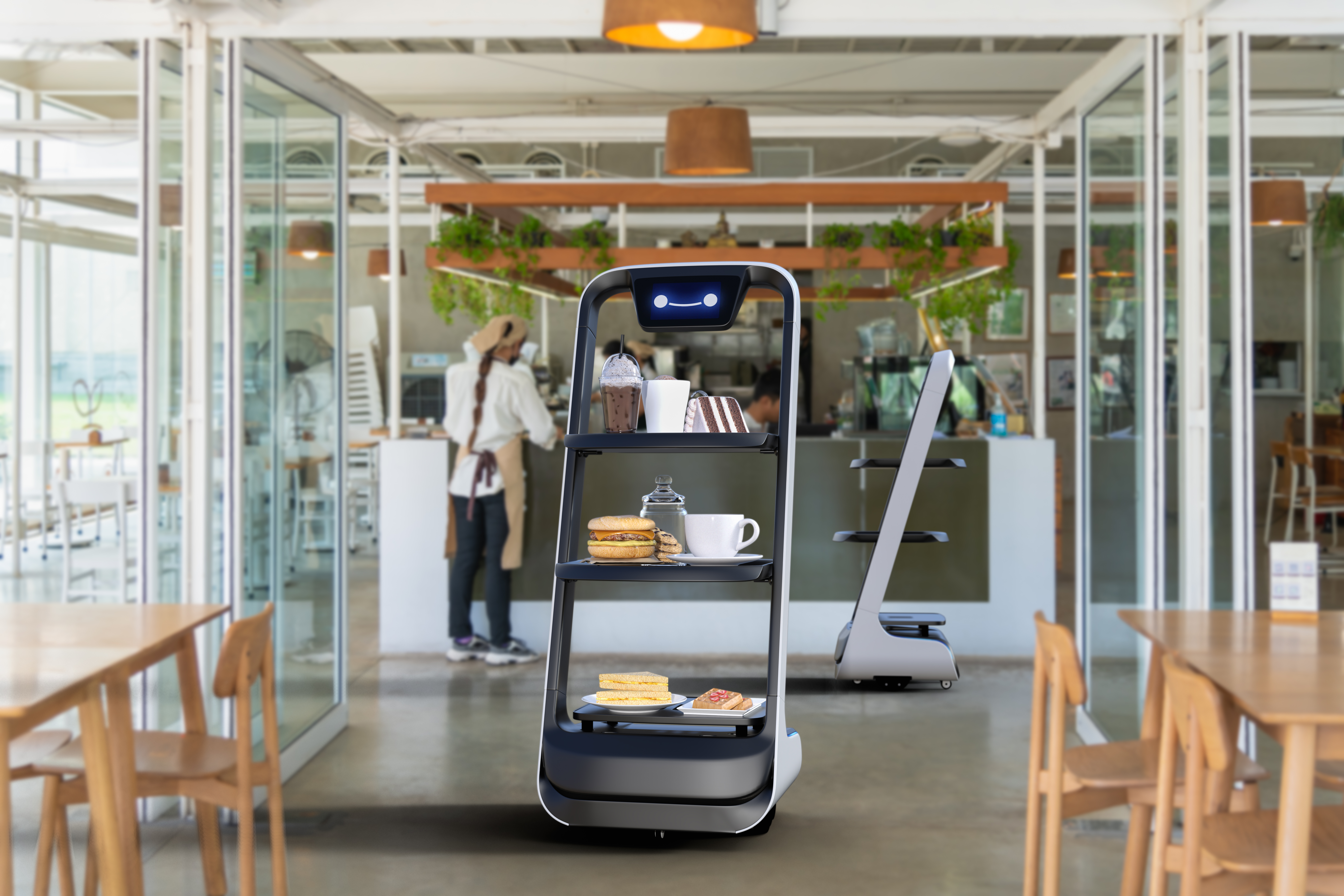
A robot waiter is a mobile service bot designed to carry food and beverages from the kitchen to diners, freeing up human staff for higher-value tasks. Most take the form of tray-equipped units that navigate autonomously around tables. Unlike self-service kiosks or conveyor belts, robot waiters physically deliver orders to guests—often generating a “syok factor” that appeals to younger crowds while boosting your café or mamak stall’s novelty appeal.
Read more:5 Must-Have Restaurant Features to Impress Gen Z Customers in Malaysia
How Robot Waiters Operate
-
Sensors Navigation: Built-in LiDAR, ultrasonic and infrared sensors map out dining layouts and avoid collisions with tables, chairs or customers.
-
Order Integration: Once a kitchen order is ready, staff place dishes on the bot’s shelves. The robot then reads a QR code or digital ticket linked to table numbers and follows pre-mapped routes to each table.
-
Battery Uptime: Modern units charge to full capacity in 3–4 hours and run continuously for up to 24 hours, enabling multiple shifts without human intervention.
Benefits for F&B Businesses
-
Speed & Efficiency: A single robot can make up to 300–400 deliveries per day, compared with a human waiter handling just 4–6 tables per shift. Faster table turns mean higher revenue during peak hours.
-
Labour-Cost Savings: With Malaysia facing ongoing manpower shortages, restaurant robots allow you to redeploy staff from routine delivery to customer engagement or upselling.
-
Hygiene & Marketing: Contactless delivery reduces spill risk and minimises touchpoints—an advantage in a post-pandemic environment. The novelty of a robot waiter also doubles as a marketing hook on social media.
Adoption Challenges and Risks
1. Upfront Investment
Prices for a single robot waiter in Malaysia start around MYR 40,000 and can go up to MYR 60,000, depending on features and vendor support. Some vendors offer monthly rental plans from MYR 1,500–MYR 3,000, including basic maintenance.
2. Maintenance & Downtime
Regular firmware updates and occasional sensor recalibration are needed to maintain smooth operation. Unexpected breakdowns can disrupt service if you don’t have a backup plan.
3. Layout Constraints
Narrow aisles, stairs or uneven floors may require you to reconfigure your dining area. Robot waiters work best in flat, open spaces with clear pathways.
Impact on Staff and Operations
Shifting robot handling to junior staff frees senior servers to focus on guest relations—checking in for drink refills, taking feedback and making personalised recommendations. Technicians or ‘robot handlers’ become vital roles: they troubleshoot navigation errors, load trays efficiently and ensure each unit is clean and charged. Overall, this shift turns your front-of-house into a tech-savvy environment that emphasises hospitality over delivery chores.
Robot Waiter Prices in Malaysia
1.Purchase Options
Entry-level tray robots start at MYR 35,000; premium models with voice or face recognition can reach MYR 60,000.
2.Leasing & Rentals
Some vendors offer monthly rental plans from MYR 1,500–MYR 3,000, including basic maintenance.
3.Local Suppliers
Look for accredited providers like Adit Robotics, CloudServe Automation or RobotX Malaysia—many integrate seamlessly with your existing POS, inventory and loyalty systems.
Future Trends and Innovations
1. AI-Driven Ordering
Next-gen robots will take orders via voice command, support multiple languages (Malay, English, Mandarin, Tamil) and send real-time feedback to your POS.
2. Multi-Floor & Elevator Access
New models can call lifts and serve across different levels—ideal for boutique hotels and multi-story food courts.
3. Data Analytics Integration
By logging delivery times and customer interactions, robots can feed into your back-end analytics for demand forecasting, helping you plan staffing and stock more accurately.
Robot waiters are no longer sci-fi—they’re a practical tool for Malaysian F&B operators battling labour shortages and rising customer expectations. While the upfront cost and maintenance require careful budgeting, the efficiency gains, marketing buzz and improved guest experience can deliver a strong return on investment. To maximise benefits, consider pairing your restaurant robot with an all-in-one POS platform like Eats365, which offers seamless QR Order & Pay integration, inventory control and real-time analytics—all designed to elevate your café or mamak stall into a truly automated, next-generation dining destination.
Read more:What is QR Code Payment? All You Need to Know about QR Code Payment for Restaurants
Ready to Serve the Future of Dining?
Malaysian restaurants are embracing robot waiters to boost efficiency and customer satisfaction. While initial investment is necessary, the long-term benefits, including improved table turnover, labor cost savings, and enhanced guest experiences, can make it a worthwhile investment.
Want to explore how Eats365's versatile POS system can seamlessly integrate with your robot waiter and elevate your restaurant operations? Contact us today for a demo and discover how our cloud-based POS, QR code ordering, and other solutions can transform your dining experience.