What Is a Cloud Kitchen? Essential Tips to Maximize Your Cloud Kitchen Sales!
Ever dreamt of owning a restaurant in Malaysia, but the upfront costs seem daunting? Cloud kitchens could be your answer! This article dives into how these virtual restaurants are offering a lower-risk entry point into the booming food delivery market.
 18 Apr 2025

 Zeyno
Zeyno
Contents
What Is a Cloud Kitchen in Malaysia?
A cloud kitchen—also known as a ghost kitchen, virtual kitchen, or dark kitchen—is a commercial cooking facility designed exclusively for preparing food for delivery or takeout, with no dine-in customers. This innovative business model has gained significant traction in Malaysia due to evolving consumer preferences for convenience, particularly accelerated by the pandemic-induced shift toward online food delivery.
Unlike traditional restaurants, cloud kitchens eliminate costs associated with dining spaces, waitstaff, and ambiance, focusing instead on optimizing kitchen operations for delivery efficiency. This streamlined approach allows food entrepreneurs to focus entirely on food quality and operational efficiency rather than customer-facing services.
Malaysia's food delivery market is booming—valued at US$56.71 billion in 2021 and projected to grow row to US$112.53 billion by 2027. This growth is fueled by the country's rising internet penetration and widespread adoption of food delivery platforms like GrabFood and foodpanda.
What truly sets a cloud kitchen apart from a generic "delivery-only restaurant" is its ability to house multiple virtual brands under one roof. This multi-brand approach enables cost-sharing and extensive menu experimentation without the risks associated with physical storefronts.
Read more: Cover Story: On cloud nine (theedgemalaysia.com)
Cloud Kitchens vs. Traditional Restaurants
| Cloud Kitchen (Ghost/Virtual Kitchen) | Traditional Kitchen (Brick-and-Mortar Restaurant) | |
|---|---|---|
| Concept | Delivery/takeaway only; no dine-in space. |
Offers dine-in experience; physical location with seating. |
| Physical Presence | Kitchen only; no customer area; flexible location. |
Dining area, kitchen, visible storefront. |
| Location Strategy | Delivery radius optimized; low-cost areas. |
High visibility needed; prime, high-traffic locations. |
| Setup Costs | Much lower; saves on decor, FOH, prime rent. |
Much higher; needs investment in location, build-out. |
| Setup Time | Faster setup (weeks to months). |
Longer setup (months to year+). |
| Operating Costs | Lower overhead (rent, utilities, fewer staff). |
Higher overhead (prime rent, utilities, full staff). |
| Staffing Needs | Minimal staff (kitchen, dispatch focus). |
Larger team (kitchen, service, management). |
| Technology Reliance | Very high (apps, delivery software, data). |
Moderate to High (POS, reservations, delivery tech). |
| Marketing & Branding | Heavy online/app focus; harder brand building. |
Mix of online/offline; location aids branding. |
While the financial advantages of starting a cloud kitchen compared to a traditional restaurant are substantial, both cloud kitchen or traditional restaurants require standard business registration (e.g., Sdn Bhd or Enterprise), premise licenses, signboard licenses, and mandatory food handler training/permits. Traditional restaurants often require additional permits related to dine-in operations, and potentially alcohol licenses, which add complexity and cost.
Equipment costs are also dramatically reduced, as cloud kitchens often benefit from shared appliances or fully fitted rental space. Cookhouse, a popular cloud kitchen provider in Malaysia, offers equipped shared kitchens starting at just RM200/day, eliminating the need for entrepreneurs to purchase expensive equipment like commercial ovens, grills, or sophisticated exhaust systems.
By comparison, traditional restaurants face significant additional expenses that cloud kitchens simply avoid:
-
Interior design and renovation
-
Dining furniture and décor
-
Front-of-house staff salaries
-
Signage and storefront costs
-
Higher utility bills for customer areas
Cloud kitchens also benefit from more flexible lease arrangements, allowing operators to scale up or down based on demand without being locked into long-term commitments. This adaptability is particularly valuable for new entrepreneurs testing concepts or seasonal businesses.
Essential Tips to Optimize Your Cloud Kitchen
Success on major platforms like GrabFood and foodpanda doesn't happen by accident—it requires strategic menu design, careful location selection, and efficient order management systems.
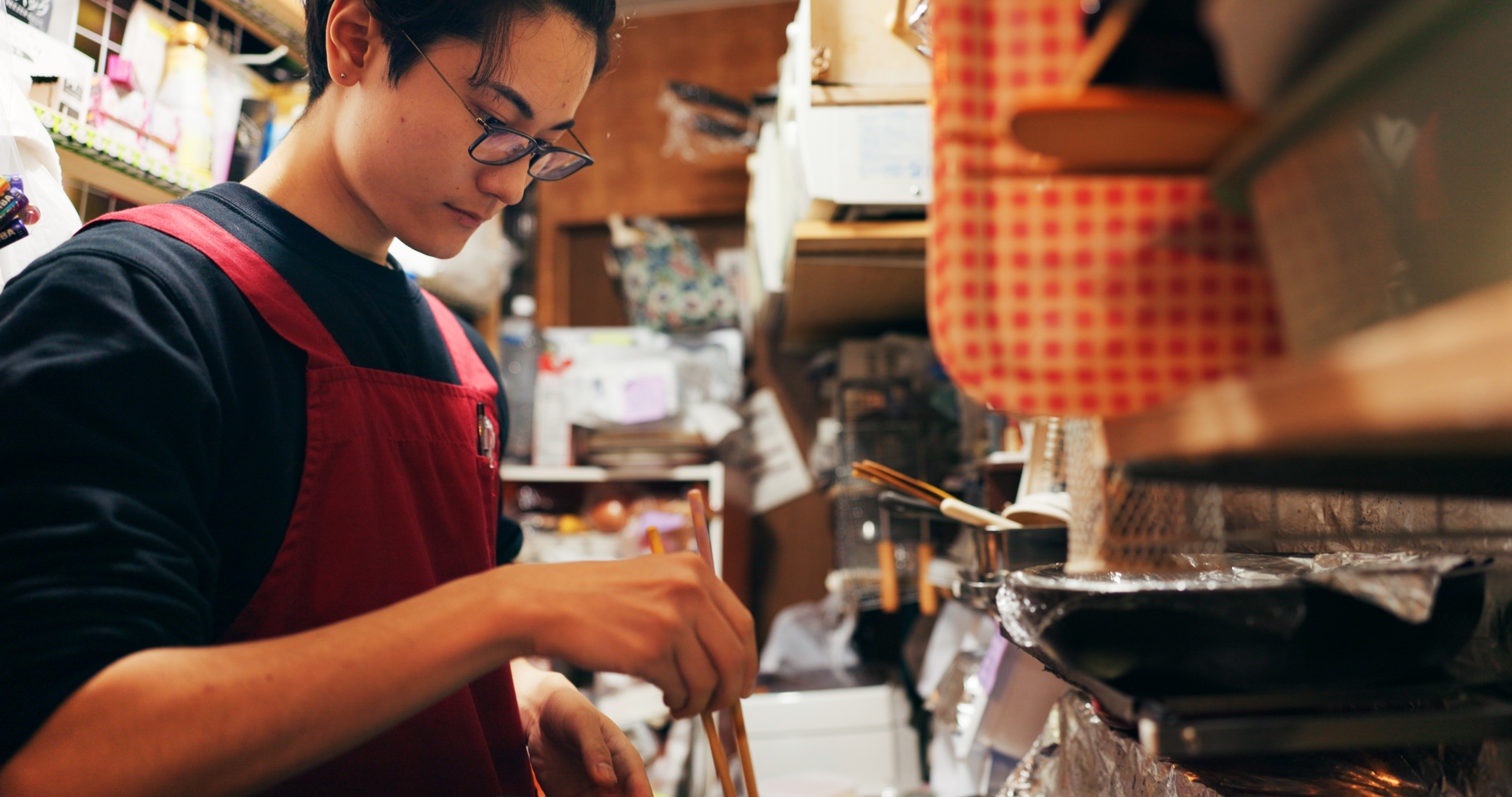
1. Strategic Menu Optimization
Creating a delivery-optimized menu means prioritizing dishes that maintain quality during transit. Foods that travel well, such as fried chicken, rice bowls, or noodles, consistently outperform items that degrade quickly (like souffle pancakes or ice cream-based desserts). Additionally, aligning with local preferences is crucial—nasi lemak, laksa, and curry dishes are consistently top sellers on food delivery platforms in Malaysian urban areas.
Data from HashMicro's kitchen management software reveals that strategic menu presentation matters too—grouping high-margin items at the top of digital menus has been shown to increase their sales. This simple adjustment can significantly impact your bottom line.
2. Smart Location Selection
Your cloud kitchen's location must balance proximity to high-demand zones with affordable rental rates. The most successful cloud kitchens in Malaysia position themselves within delivery range of densely populated residential areas and office districts like KLCC or Mont Kiara.
For example, cloud kitchens in Hartamas benefit from access to approximately 500,000 potential customers within a 5km delivery radius. This strategic positioning ensures reasonable delivery times and costs while maximizing your potential customer base.
3. Efficient Order Management
Implementing robust order management system or POS system can transform your operational efficiency. These systems streamline workflows by automating online & offline menus and synchronizing orders across multiple delivery platforms.
To improve visibility on delivery apps, successful cloud kitchens tend to invest in high-quality food photography, respond promptly to customer reviews (ideally within 24 hours), and offer strategic bundled deals during peak order times. These practices consistently lead to higher platform rankings and increased order volume.
Read more: The 2025 Guide to Restaurant Online Marketing (eats365pos.com)
Seize Your Cloud Kitchen Opportunity with Eats365's POS System
Our conclusion is clear: Cloud kitchens are not just a trend, but a strategic business model offering unprecedented flexibility, cost-efficiency, and data-driven growth potential. By eliminating traditional restaurant overhead and leveraging online ordering platforms, entrepreneurs can launch and scale their food businesses with minimal upfront investment.
The key to success lies in smart technology integration. Eats365's cloud based pos system is a must-consider for your cloud kitchens, offering robust features like:
-
Seamless online ordering integration with major platforms like GrabFood and foodpanda
-
Efficient order management to minimize wait times and maximize customer satisfaction
-
Real-time & comprehensive sales analytics that help you identify your best-selling items instantly
Whether you're planning a niche cuisine concept or a multi-brand virtual restaurant, Eats365 provides the technological backbone to turn your cloud kitchen dreams into reality. Our system adapts to your growing business needs, scaling alongside your success.
Ready to revolutionize your food business? Contact Eats365 today and discover how our POS system can propel your cloud kitchen to success!