Bubble Tea Market Trend in Malaysia 2026
What’s the secret behind Malaysia's boba drink obsession? This article breaks down the size and structure of Malaysia's bubble tea market, explains the cultural and commercial reasons behind the boba boom, profiles the leading brands shaping the landscape, and walks through the real first steps that any serious operator needs to plan for.
 23 Jun 2026

 Eats365

Contents
- How Big Is Malaysia's Bubble Tea Market
- Why Is Bubble Tea So Popular in Malaysia? 6 Structural Reasons
- Malaysia's Leading Bubble Tea Brands
- Startup Cost Compared: Franchise vs. Own Brand
- The Non-Negotiable Compliance Steps for a Malaysian Boba Shop
- The Operational Reality of Running a High-Volume Boba Shop
- What Malaysia's Boba Market Looks Like Through 2032
- FAQ about Bubble Tea Trend Malaysia
- Ready to Launch Your Boba Business with the Right Tech Foundation
How Big Is Malaysia's Bubble Tea Market?
Malaysia's boba tea market is worth USD 53.17 million in 2024 and is forecast to reach USD 87.34 million by 2032 at a 6.4% CAGR, making it one of Southeast Asia's most consistent-growth beverage segments.
| Metric | Data |
|---|---|
| Malaysia Boba Market Size (2024) | USD 53.17 million |
| Projected Market Size (2032) | USD 87.34 million |
| CAGR (2024–2032) | 6.4% |
| Urban Market Share | ~79% (KL & Klang Valley dominant) |
| Peninsular Malaysia Share | ~85% of total market |
| Secondary Cities & Suburban | ~15% (growing) |
Source: Credence Research, Malaysia Bubble/Boba Tea Market Report 2024–2032
Urban centres — particularly Kuala Lumpur, the Klang Valley, Penang, and Johor Bahru — account for the majority of consumption, driven by high foot traffic in shopping malls, MRT corridors, and university campuses. That said, market research also highlights secondary cities and suburban areas as the next frontier, with kiosk formats and cloud kitchen models making it cost-effective to enter lower-footfall locations.
The broader global bubble tea market, estimated at around USD 3 billion in 2024 to over USD 5 billion by 2032 depending on the research source, is growing steadily. Malaysia's local CAGR of 6.4% sits comfortably within that wider trend — but the local figure matters more to an aspiring Malaysian operator than the global headline number, because it reflects the real competitive density, consumer spend patterns, and outlet saturation specific to this market.
Why Is Bubble Tea So Popular in Malaysia? 6 Structural Reasons
Malaysia's boba adoption is not simply trend-following. It is the result of six distinct, intersecting forces that make this country unusually fertile ground for the bubble tea business model.
1. Tea Is Already Central to Malaysian Food Culture
Malaysians drink tea constantly — teh tarik at the mamak stall, Chinese teh-o at the kopitiam, and traditional herbal teas across all communities. Bubble tea did not displace an existing habit; it upgraded it.
Boba shops offer the familiar comfort of a milk tea base with the added draw of customisation, cold temperature, and visual appeal. For many Malaysian consumers, transitioning from a mamak teh tarik to a brown sugar milk tea with pearls felt culturally natural rather than foreign.
2. A Multicultural Consumer Base Drives Broad Demand
Malaysia's Malay, Chinese, Indian, and indigenous communities each bring distinct beverage preferences. Bubble tea's format — highly customisable base, sweetness level, temperature, and toppings — makes it one of the few beverages that genuinely cuts across ethnic consumer segments.
A Malay consumer gets a halal teh tarik-inspired milk tea; a Chinese consumer opts for an oolong or longan fruit tea; an Indian consumer may choose a taro or cardamom-infused variant. This cross-cultural appeal gives bubble tea a breadth of demand that coffee shops or dessert cafés cannot easily replicate.
3. Halal-Consciousness Expands, Not Limits, the Market
With over 60% of Malaysia's population being Muslim, Halal certification is not just a compliance box — it is a commercial unlock. A boba brand that successfully obtains JAKIM Halal certification immediately becomes accessible to the majority consumer demographic. This is why established players like Tealive have made Halal certification central to their brand identity and franchise requirements. For new entrants, securing Halal status early signals trust, widens the customer pool, and is effectively non-negotiable for anyone targeting mainstream Malaysian foot traffic.
4. Social Media and Visual Culture Create a Perpetual Demand Engine
Bubble tea is one of the most photogenic F&B categories. The layered colours of a brown sugar milk tea, the aesthetic of cheese foam floating on a fruit tea, or the visual drama of hand-shaken tea at Xing Fu Tang — these are native TikTok and Instagram content.
Malaysia has one of the highest smartphone penetration rates in Southeast Asia, and a youth demographic that regularly discovers F&B through social feeds. A new boba outlet that goes viral on TikTok can queue 100+ customers before it has even printed its loyalty cards.
5. GrabFood and Delivery Platforms Extend the Purchase Window
Malaysia's high GrabFood and Foodpanda adoption means bubble tea is no longer constrained to walk-in traffic. A boba shop in a second-floor lot with modest frontage can generate significant revenue through delivery orders — particularly during afternoon and evening slots when office workers, students, and families order from home.
This delivery channel has also made bubble tea viable in suburban and residential neighbourhoods that lack the mall footfall of KL's city centre.
6. Competitive Pricing Versus Specialty Coffee
A premium specialty coffee in Malaysia typically costs RM15–RM22 per cup. A quality bubble tea from a well-regarded brand typically sits at RM9–RM17. This pricing gap — combined with the excitement of new seasonal flavours, limited-edition collaborations, and customisation — makes bubble tea the go-to indulgence for students, young professionals, and families.
Malaysia's Leading Bubble Tea Brands
The competitive landscape in Malaysia spans homegrown champions, Taiwan-origin premium chains, and aggressive new Chinese budget entrants. Understanding who is already in the market helps an aspiring operator locate the white spaces.
| Brand | Origin | Market Position | Key Differentiator |
|---|---|---|---|
|
Tealive |
Malaysia (from Chatime) |
Mass market leader, 800+ outlets |
Halal-certified, widest network, 50+ customisable SKUs |
|
Chatime |
Taiwan |
Established premium |
Original franchise heritage, strong brand recall |
|
Gong Cha |
Taiwan/South Korea |
Premium segment |
Tea-forward menu, clean aesthetic |
|
KOI Thé |
Taiwan |
Premium/aspirational |
Brewed fresh tea, quality positioning |
|
The Alley |
Taiwan |
Premium experience |
Signature Deerioca pearls, in-store preparation theatre |
|
Xing Fu Tang |
Taiwan |
Viral / experience |
Brown sugar tiger pearl spectacle |
|
Daboba |
Malaysia |
Mid-premium local |
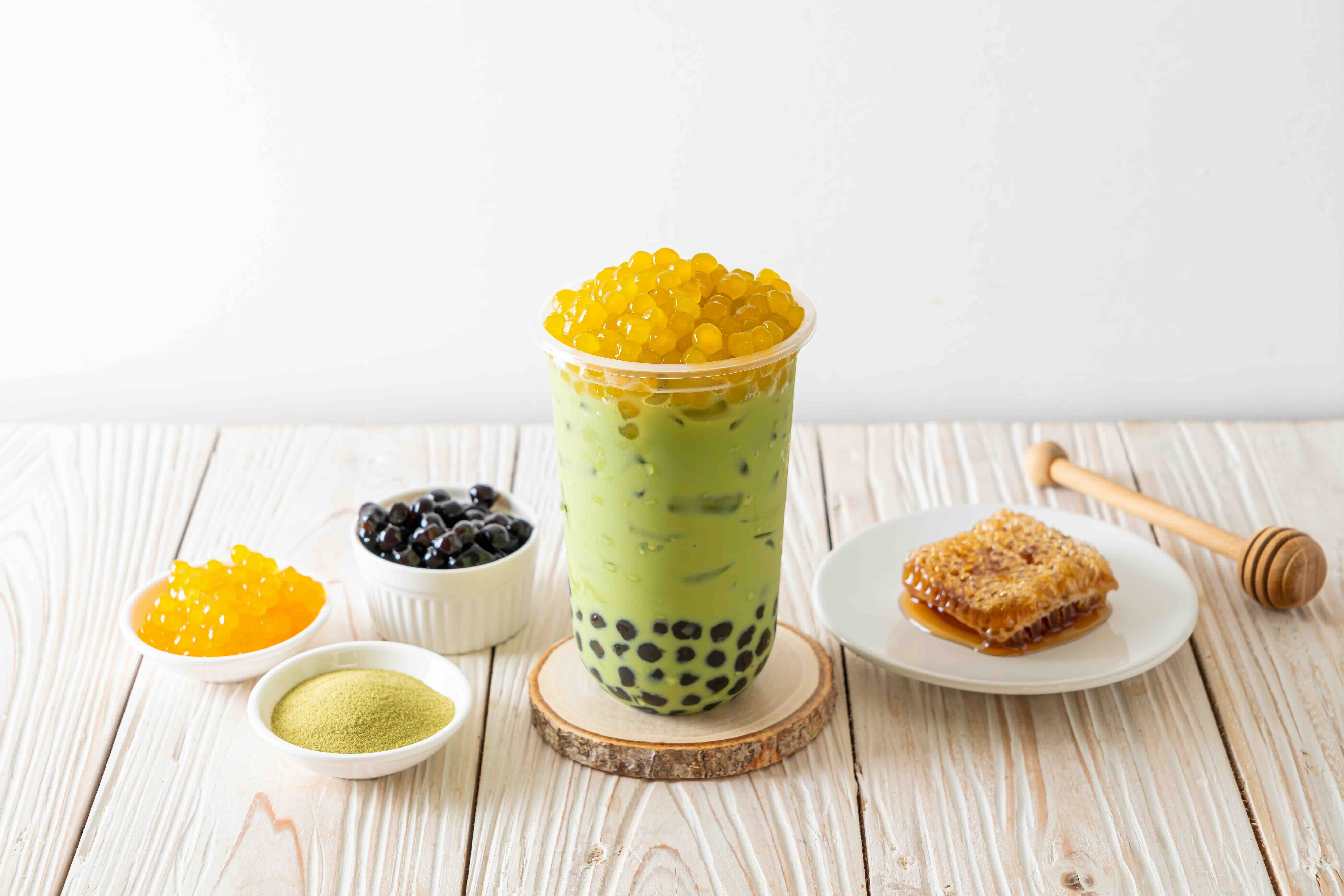
Honey golden pearls, roasted brown sugar fresh milk |
|
Tiger Sugar |
Taiwan |
Novelty / trend |
Brown sugar striped cup aesthetic |
|
CoCo Fresh Tea & Juice |
Taiwan |
Value/volume |
Wide SKU range, affordable pricing |
|
ZUS Coffee |
Malaysia |
Coffee-first chain expanding into tea |
Rapidly growing tea/boba-style menu promoted via app and loyalty |
|
Mixue / Lucky Cup |
China |
Budget disruption |
Sub-RM10 price points, rapid outlet expansion |
Tealive remains the dominant domestic player — born from the 2017 rebranding of Chatime's Malaysian outlets after founder Bryan Loo's franchise dispute. With over 800 outlets and a franchise model offering structured support, Tealive is the benchmark for what a Malaysian-first boba brand can achieve at scale.
At the opposite end, Chinese budget brands like Mixue are entering Malaysia with startup franchise costs reportedly below RM300,000, disrupting the price floor and forcing established players to compete harder on experience and brand loyalty.
For an independent operator, this competitive map reveals one clear strategic imperative: differentiation through local identity, a memorable topping or signature drink, and tight operational execution — not price war.
Startup Cost Compared: Franchise vs. Own Brand
The single most consequential decision for an aspiring Malaysian boba entrepreneur is whether to buy into a franchise or build an independent brand. Each path carries fundamentally different capital requirements, risk profiles, and growth ceilings.
Franchise Route
Franchising gives you a proven brand, supplier network, training support, and an established menu. The trade-off is capital and limited creative control.
-
Tealive franchise fee: approximately RM880,000 (including setup, fit-out, and franchise licence), with reported ROI timelines of 24–30 months
-
Budget Chinese entrant franchises (e.g., Mixue-type brands): below RM300,000 for smaller kiosk formats
-
Mid-tier international brands (Gong Cha, Chatime): franchise investment typically in the RM400,000–RM700,000 range, varying by outlet size and location
Franchise operators benefit from brand recognition from Day 1, but they surrender menu flexibility, bear recurring royalty fees, and are typically subject to the franchisor's Halal certification requirements.
Own Brand Route
Building your own brand requires more groundwork but offers higher long-term margin potential and full creative ownership.
Estimated startup costs for an independent boba concept in Malaysia (mid-size kiosk or small shopfront):
| Cost Component | Estimated Range (RM) |
|---|---|
|
Shop fit-out & renovation |
RM30,000 – RM80,000 |
|
Equipment (sealer, shaker, fridge, blender) |
RM15,000 – RM40,000 |
|
First 2–3 months' rental deposit |
RM10,000 – RM30,000 |
|
Initial ingredient & packaging inventory |
RM5,000 – RM15,000 |
|
Licensing, SSM registration, permits |
RM1,000 – RM5,000 |
|
JAKIM Halal certification (application) |
RM200 – RM2,000+ |
|
POS system & ordering tech |
RM3,000 – RM15,000 |
|
Working capital (first 3 months) |
RM15,000 – RM40,000 |
|
Estimated Total |
RM80,000 – RM230,000 |
Note: Cost ranges are indicative and vary significantly by location, outlet size, and supplier choices. KL city centre locations command premium rents.
A kiosk-format own brand in a suburban area can be launched at the lower end of this range; a full shopfront in a KL mall will approach or exceed the upper bound.
The Non-Negotiable Compliance Steps for a Malaysian Boba Shop
1. SSM Business Registration
Before opening, every business in Malaysia must register with the Companies Commission of Malaysia (SSM). For a sole proprietorship or partnership, this is straightforward and low-cost (typically under RM100/year). For a Sdn Bhd (private limited company), expect higher setup fees and compliance requirements. Most small boba operators start as sole proprietors or partnerships and convert to Sdn Bhd as they scale.
2. Local Authority (PBT) Business Licence
Beyond SSM, you will need a business premise licence from your local authority (Pihak Berkuasa Tempatan / PBT) — for example, DBKL in Kuala Lumpur or MBPJ in Petaling Jaya. Requirements and processing times vary by municipality. Factor in 4–12 weeks for approval.
3. JAKIM Halal Certification
Halal certification issued by JAKIM (Jabatan Kemajuan Islam Malaysia) or its state-level equivalents is the most commercially important compliance step for any boba operator targeting Malaysia's Muslim consumer majority. The process involves:
-
Ensuring all ingredients (tapioca pearls, syrups, milk, creamers, toppings) are sourced from JAKIM-approved Halal suppliers
-
Submitting an application through the MyHALAL portal (halal.gov.my)
-
Undergoing premise inspection and audit
-
Maintaining ongoing compliance — Halal certification must be renewed periodically
As noted by Malaysia's Prime Minister's Office in a parliamentary statement, bubble tea without a Halal certificate is not automatically non-halal — the product's ingredient sourcing determines its permissibility. However, certified Halal status is a commercial necessity, not just a legal one, because it visibly signals trust to Muslim consumers and enables placement in Halal-certified malls and food courts.
4. Food Handler Certification
All food handlers must hold a valid Sijil Pengendali Makanan (Food Handler Certificate) under the Food Act 1983. This applies to all staff involved in food and beverage preparation.
In practice, typhoid vaccination is also mandatory for food handlers. Local authority requirements state that food handlers and food premise workers must complete the vaccination before starting work, keep valid proof of vaccination on-site for inspection, and anyone without it should not be involved in food or beverage handling. This is clearly reflected in MBPJ's food premise licensing health requirements and supported by DBKL's health services information for food handlers.
The Operational Reality of Running a High-Volume Boba Shop
Malaysia's boba market is not just a product business — it is a high-throughput operations business. During peak hours (lunch, after-school, and early evening slots), a popular outlet can face simultaneous walk-in queues, GrabFood orders, and in-app pre-orders. Each cup involves multiple customisation variables: base tea type, sweetness level (from 0% to 100%), ice level, topping selection, and cup size.
This operational complexity creates three specific pressure points that catch under-prepared operators off guard:
1. Order Accuracy at Volume
At 50–150 cups per hour during a weekend peak, a manually managed order system — staff writing on cups, calling orders verbally — becomes a liability. A single misheard sweetness level or missed allergy note generates a remake, slows the queue, and risks a negative social media review. Order accuracy is not a nice-to-have; it is a brand protection function.
2. Queue Management and Customer Experience
Long queues are a double-edged sword for boba shops. A queue signals popularity but also drives walk-aways, especially from time-pressed customers. Self-service kiosks that allow customers to place and pay for their order before reaching the counter — or QR-code ordering systems that let them customise from their phone while waiting — compress effective queue time without requiring additional staff.
3. Delivery Order Integration
A boba shop with active GrabFood and Foodpanda listings simultaneously receives delivery orders that compete with walk-in queue time. Without a unified system that routes all orders — walk-in POS, delivery platform, self-service kiosk — to a single kitchen display, the barista team is left juggling multiple tablets, paper slips, and verbal calls. This is where operational errors compound.
What Malaysia's Boba Market Looks Like Through 2032
The Credence Research forecast to USD 87.34 million by 2032 is not driven by novelty alone. It is underpinned by structural market forces that sustain demand long after the initial trend cycle:
-
Health-conscious reformulation: Low-sugar, oat milk, and plant-based variants are expanding the consumer base beyond indulgence-seekers to include health-conscious adults and working professionals. Brands that fail to offer credible better-for-you options will lose share to those that do.
-
Suburban and secondary city expansion: With urban markets increasingly saturated, the next growth phase runs through Klang Valley satellite towns, Johor secondary cities, Penang's mainland, and East Malaysia (Sabah and Sarawak). Kiosk and cloud kitchen formats make this expansion economically viable.
-
Digital ordering as baseline expectation: By 2026, Malaysian consumers — particularly Millennials and Gen Z — expect to order via app, kiosk, or QR code as a default. Outlets that still rely solely on counter ordering are at a structural disadvantage in both speed and customer experience.
-
Franchise market stratification: Budget Chinese entrants at the RM10/cup price floor will continue to pressure mid-tier players. Premium and local-identity brands that can charge RM15–RM18 for a differentiated experience will hold margin; everyone stuck in the middle will struggle.
FAQ about Bubble Tea Trend Malaysia
Q: How big is the bubble tea market in Malaysia?
The Malaysia bubble tea market was valued at USD 53.17 million in 2024 and is projected to grow to USD 87.34 million by 2032 at a CAGR of 6.4%, according to Credence Research.
Q: Why is bubble tea so popular in Malaysia?
Bubble tea's popularity in Malaysia is driven by a combination of the country's existing tea-drinking culture (mamak teh tarik, kopitiam teh), a multicultural consumer base that the customisable format naturally serves, strong social media adoption among youth, high GrabFood penetration that extends purchase reach, and competitive pricing versus specialty coffee.
Q: What are the best bubble tea brands in Malaysia?
The leading brands include Tealive (Malaysia's largest domestic chain with 800+ outlets), Chatime, Gong Cha, KOI Thé, The Alley, Xing Fu Tang, Daboba, Tiger Sugar, CoCo Fresh Tea & Juice, and adjacent beverage competitor ZUS Coffee. Budget entrants like Mixue are also expanding rapidly with lower price points.
Q: How much does it cost to open a bubble tea shop in Malaysia?
For an independent own-brand boba shop, expect startup costs between RM80,000 and RM230,000 depending on location, outlet size, and equipment choices. A Tealive franchise requires approximately RM880,000 in total investment. Budget franchise concepts (e.g., Mixue-style brands) are available below RM300,000.
Q: Do I need Halal certification to open a boba shop in Malaysia?
Halal certification from JAKIM is not legally mandatory, but it is commercially essential for any operator targeting mainstream Malaysian consumers, especially in Malay-majority areas, malls, and food courts. Certification requires sourcing all ingredients from JAKIM-approved suppliers and passing a premise audit through the MyHALAL portal.
Q: What licences do I need to open a bubble tea business in Malaysia?
At minimum: SSM business registration, a local authority (PBT) business premise licence, food handler certification for all staff, mandatory typhoid vaccination for food handlers, and JAKIM Halal certification if targeting Muslim consumers. A signboard permit and fire department certification may also be required depending on your premise.
Q: What POS system is best for a bubble tea shop in Malaysia?
A bubble tea shop needs a POS system capable of handling high-volume customisation orders across multiple channels (walk-in, kiosk, QR, delivery). Eats365 POS supports self-service kiosk ordering, QR scan-to-order, kitchen display system integration, and real-time multi-outlet reporting — designed for fast-moving Malaysian F&B operations.
Ready to Launch Your Boba Business with the Right Tech Foundation?
Malaysia's bubble tea market is growing steadily, competitively structured, and accessible to well-prepared operators — whether through a franchise or an independent brand. What separates profitable boba shops from the ones that close within 18 months is rarely the recipe. It is the operational infrastructure: how fast you can serve during a peak-hour rush, how accurately your customisation options are captured, and how clearly your real-time data tells you which drinks are driving margin.
Eats365 is built for exactly this environment. From the first outlet to a multi-branch chain, the Eats365 POS system gives Malaysian boba operators the self-service kiosks, QR ordering, kitchen display integration, and centralised management tools to grow without growing their headcount proportionally.
Book a free Eats365 demo today and see how Malaysia's leading F&B operators are using purpose-built POS technology to turn bubble tea's market momentum into a sustainable, scalable business.