Integrating Cashless Payments with POS for Malaysian Restaurants
Diners tapping phones more than their feet waiting? Cashless payment is king in Malaysia. This guide demystifies DuitNow QR, POS integration, security, and boosting restaurant sales.
 13 May 2025

 Zeyno
Zeyno
Contents
- What are Cashless Payments for Restaurants
- Benefits of Accepting Cashless Payments for Malaysian Restaurants
- Key Difference Between an E-Wallet & Bank Transfer
- How Does POS Integration Simplify Cashless Payments
- Secure Cashless Payment Methods for Your Restaurant
- Streamline Your Operations and Boost Your Bottom Line with Eats365
- FAQs
What are Cashless Payments for Restaurants?
In the bustling Malaysian F&B scene, embracing cashless payment methods is no longer just a trend, but a fundamental shift in how customers prefer to transact. But what exactly does this mean for your restaurant? Simply put, cashless payment refers to any transaction conducted without the physical exchange of banknotes or coins. Instead, payment is made electronically.
For Malaysian restaurants, popular cashless payment options include E-wallets like Touch ’n Go, GrabPay, Boost, and ShopeePay, and card payments by credit cards or debit cards.
| Payment Method | Key Features | Typical Merchant Fees (MDR) |
|---|---|---|
| E-wallets (General) | Digital wallets on smartphones; significant user growth in Malaysia (21.5M users in 2023). Includes GrabPay, Boost, ShopeePay, etc. | Varies by provider for proprietary QR/ Wallet-to-Wallet transactions. |
| Touch 'n Go eWallet | Widely adopted, often used for retail, tolls, and F&B. | 0% when a customer pays from their TNG eWallet to the merchant's DuitNow QR code. |
| DuitNow QR | Malaysia's national QR standard; allows payment from various bank and e-wallet apps by scanning a unified QR code. | Can be competitive. Select banks periodically waive MDR for micro-merchants on DuitNow QR. Receiving payment from TNG eWallet via DuitNow QR is 0% MDR for the merchant. |
| Card Payments | Debit and credit cards including Visa, Mastercard, MyDebit and contactless payments like: tap-to-pay are common. | Typically ranges from around 1% to 2.5%. Varies depending on card type (debit vs. credit), card scheme (Visa, Mastercard, MyDebit), and acquiring bank. MyDebit often has lower MDRs. |
Benefits of Accepting Cashless Payments for Malaysian Restaurants
For restaurant owners in Malaysia, embracing cashless payment options isn't just about keeping up with trends; it's a strategic move that offers tangible benefits, transforming operations and enhancing the customer experience. Why should your restaurant actively encourage and facilitate cashless payment?
1. Increased Sales and Average Transaction Value
-
Convenience drives spending: Some research indicates consumers may spend more with card payments versus cash, generally up to 12% more in some studies, though results vary by market.
-
Attracting a wider customer base: A significant portion of the Malaysian population, especially younger demographics and tourists, prefer or exclusively use cashless payment. By not offering these options, you could be missing out on potential customers.
Read more: 5 Must-Have Restaurant Features to Impress Gen Z Customers in Malaysia (eats365pos.com)
2. Reduced Cash-Handling Costs and Risks
-
Lower risk of theft and mishandling: Less physical cash on premises means reduced risk of internal theft or robbery.
-
Saves time on cash management: Counting cash, preparing bank deposits, and trips to the bank are time-consuming. Cashless payment significantly reduces these administrative burdens, freeing up staff for customer-facing tasks.
-
Reduced errors: Minimises mistakes that can occur during manual cash counting or when giving change.
3. Improved Customer Experience
-
Faster checkout process: Tapping a card or scanning a QR code is significantly quicker than handling cash, counting change, and waiting for receipts. This is especially valuable during peak hours, reducing queues and improving table turnover.
-
Enhanced convenience: Customers appreciate having multiple payment options. Offering their preferred cashless payment method makes their dining experience smoother and more enjoyable.
-
Hygiene: In a post-pandemic world, many customers prefer contactless transactions to minimize physical contact with cash, which is perceived as less hygienic.
4. Better Financial Tracking and Management
-
Digital transaction records: Cashless payment provides an automatic digital trail of all sales, making bookkeeping, reconciliation, and tax preparation much simpler and more accurate. This is especially powerful when integrated with a POS system.
-
Improved cash flow insights: Easier tracking of daily, weekly, and monthly revenue streams, helping with financial planning and business analysis.
5. Alignment with Government Agenda
-
Access to Government Incentives and Support: Occasionally, the Malaysian government or related agencies launch initiatives to encourage digital payment adoption among SMEs, which might include grants or subsidised MDRs. For example, the "Go e-Commerce Onboarding campaign" and similar initiatives have historically supported MSMEs in adopting digitalisation, including e-payments.
-
Alignment with National Agenda: Malaysia is actively pushing towards a digital economy and a less cash-reliant society. Adopting cashless payment aligns your business with this national direction.
Read more: How Malaysia E-Invoice System Works & Implementation Dates 2025 - 2026 (eats365pos.com)
By offering robust cashless payment facilities, Malaysian restaurants can operate more efficiently, securely, and cater to the evolving preferences of their customers, ultimately contributing to a healthier bottom line.
Key Difference Between an E-Wallet & Bank Transfer
| Feature | E-wallet Payment | Bank Transfer |
|---|---|---|
| Provider | DuitNow QR, Touch 'n Go eWallet...etc | DuitNow Transfer to Account, IBG...etc |
| Mechanism | Typically uses a stored value account within an app, initiated via app/QR scan. | Direct debit from customer's bank account to merchant's bank account. |
| Speed | Often instant. | DuitNow Transfer is instant. Interbank GIRO (IBG) takes time to clear. |
| Primary Use | Designed for retail payments; often with specific consumer protections and merchant settlement processes; integrated into merchant/acquirer systems. | General fund transfers; can be used for payments. |
| Verification | Merchant receives clear notification via integrated system (e.g., for DuitNow QR). Less reliance on customer proof. | Risky if solely relying on screenshots (can be faked) for over-the-counter payment. Requires immediate bank account verification for certainty. Integrated systems avoid this ambiguity. |
E-wallet Payment
-
Commonly via DuitNow QR, Touch 'n Go eWallet.... etc.
-
Typically uses a stored value account within an app.
-
Transactions are often instant.
-
Designed for retail payments, often with specific consumer protections and merchant settlement processes.
-
When using DuitNow QR, the merchant receives a clear notification through their bank/acquirer system.
Bank Transfer
-
Commonly via DuitNow Transfer to Account, IBG....etc.
-
Direct debit from a customer's bank account to your business bank account.
-
DuitNow Transfer (distinct from DuitNow QR) is instant. Interbank GIRO (IBG) can take time to clear.
-
While a valid payment method, relying solely on customers showing a "successful transfer" screenshot for an over-the-counter payment can be risky without immediate verification in your bank account, as screenshots can be faked. Integrated cashless payment systems avoid this ambiguity.
Prioritizing security in your cashless payment setup not only protects your business and customers but also builds trust, encouraging more people to dine with you and pay digitally.
Read more: How POS Security Features Reduce Restaurant Fraud Risks (eats365pos.com)
How Does POS Integration Simplify Cashless Payments?
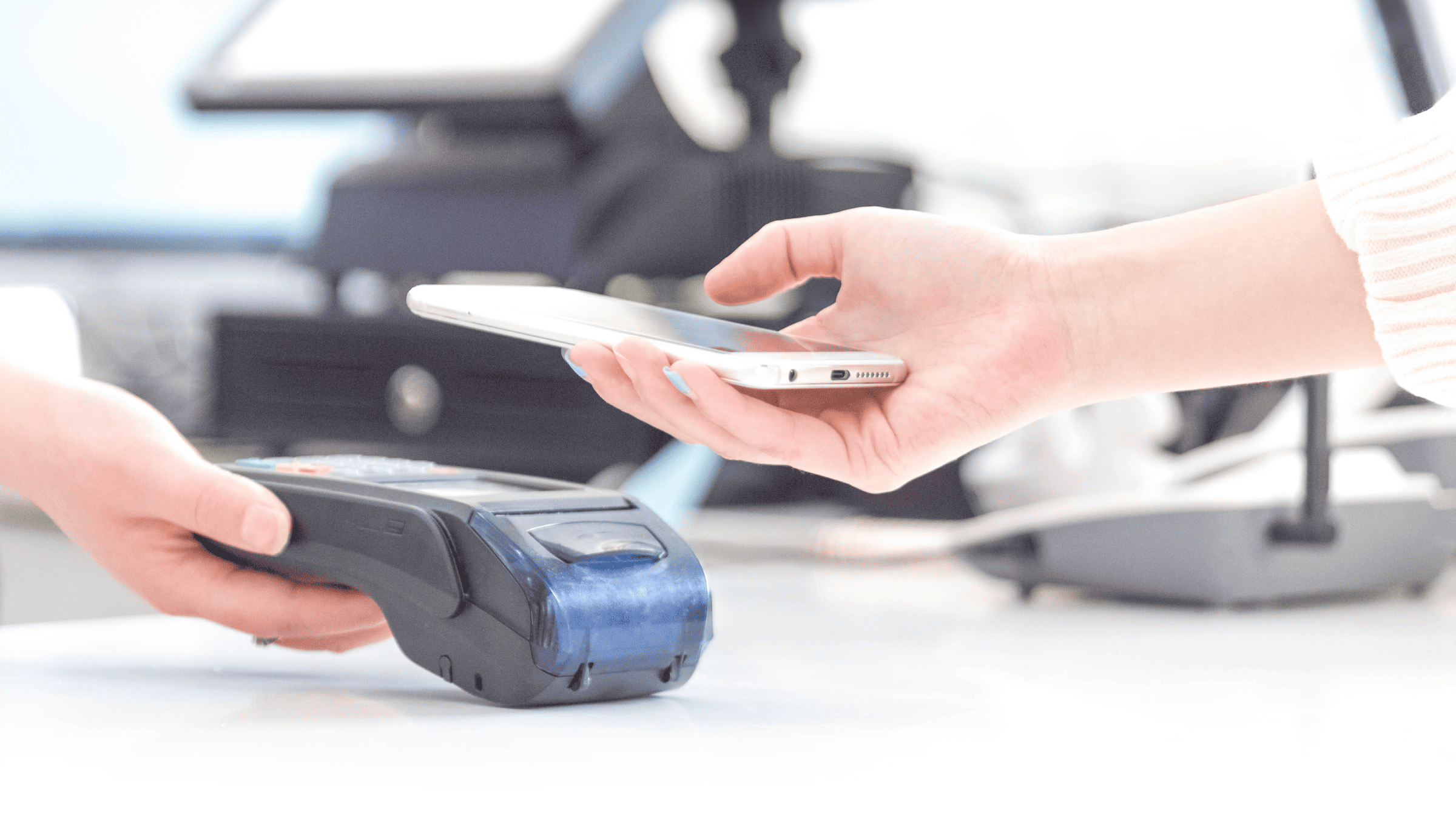
Imagine a busy dinner service: orders are flying, customers are waiting, and your staff are juggling multiple tasks. Now, add manual reconciliation of cashless payment receipts to the mix. It sounds chaotic, doesn't it? This is where integrating cashless payment options directly with your restaurant's Point of Sale (POS) system becomes a game-changer. But how exactly does it streamline your operations?
POS integration acts as a central hub for all your transactions, digital or otherwise. When a customer pays using an e-wallet or card, an integrated system automatically records the sale, updates payment status, and often even reconciles the amount with your daily takings. This offers several compelling benefits:
-
Reduced Errors: Manual entry of sales figures from separate payment terminals into your POS is prone to human error. Integration eliminates this step, ensuring accuracy in your financial records. A misplaced decimal or a mistyped amount can cause significant reconciliation headaches later.
-
Faster Transaction Times: Integrated systems speed up the checkout process. Instead of staff keying in the amount on a separate terminal and then again on the POS, the transaction details flow seamlessly. This means quicker table turnover during peak hours and less waiting time for customers, enhancing their overall experience.
-
Improved Inventory Management: Many modern POS systems link sales data directly to inventory levels. When a dish is sold via an integrated cashless payment, the system can automatically deduct the ingredients used from your stock. This provides real-time insights into inventory, helps prevent stockouts, and simplifies reordering.
-
Simplified Accounting and Reporting: With all transaction data consolidated in one place, generating sales reports, tracking payment types, and reconciling accounts becomes significantly easier. This saves valuable time for you or your accountant.
Read more: Ultimate Guide to Choosing the Best Restaurant POS System in Malaysia (eats365pos.com)
Secure Cashless Payment Methods for Your Restaurant
While the convenience of cashless payment is undeniable, ensuring the security of these transactions and protecting your customers' data is paramount. As a restaurant owner in Malaysia, what do you need to know to offer secure cashless payment methods?Firstly, it's crucial to understand your responsibilities. When you accept card payments, you're handling sensitive cardholder data. Protecting this data isn't just good practice; it's often a requirement.
1. PCI DSS Compliance
The Payment Card Industry Data Security Standard (PCI DSS) is a set of security standards designed to ensure that all companies that accept, process, store, or transmit credit card information maintain a secure environment. While achieving full certification can be complex for small businesses, adhering to its principles is vital. Work with your payment processor or POS provider to understand their PCI compliance and how it supports yours, for example, by using validated P2PE solutions or ensuring their software doesn't store sensitive card data.
2. Use Reputable Payment Gateways and Acquirers
Partner with well-established banks and payment service providers that have robust security measures in place. They are more likely to be compliant with international security standards and offer fraud detection services.
3. Point-to-Point Encryption (P2PE)
If using card terminals, consider solutions that offer P2PE. This encrypts card data from the moment it's captured at the terminal until it reaches the secure decryption environment of the payment processor, making the data useless to hackers if intercepted.
4. Secure Network
Ensure your restaurant's Wi-Fi network, especially the one used for POS and payment processing, is secure. Use strong passwords, change default router credentials, and consider segmenting your payment processing network from guest Wi-Fi.
5. Staff Training
Train your staff on secure payment handling procedures, such as not writing down card details, verifying customer identity for large transactions if necessary, and recognizing signs of tampered payment devices.
6. Regularly Update Software:
Keep your POS software, payment applications, and operating systems updated with the latest security patches.
Read more: 5 Common POS System Problems That Can Hurt Your Business In Malaysia (eats365pos.com)
Streamline Your Operations and Boost Your Bottom Line with Eats365
As a Malaysian restaurant owner, embracing cashless payments is no longer an option—it's a necessity. From DuitNow QR to e-wallets like Touch ‘n Go®, the Malaysian market is rapidly moving towards a digitally-driven economy.
Integrating a robust POS system, like those offered by Eats365, is crucial to streamline your processes, enhance customer experience, and unlock the full potential of cashless payments. With Eats365, you benefit from secure transactions, automated reconciliation, and valuable data insights, allowing you to focus on what matters most: delivering exceptional dining experiences.
Want to learn how Eats365 can tailor a cashless payment solution for your restaurant? Contact us today for a personalized consultation.
FAQs
What is restaurant cashless payment?
Cashless payment for restaurants means transactions without physical money, using methods like e-wallets (e.g., Touch 'n Go eWallet, DuitNow QR) or card payments. It's an electronic exchange preferred by many Malaysian diners.
Why offer cashless payment options?
Accepting cashless payment can boost sales, cut cash handling costs and risks, speed up checkouts for better customer experience, and simplify financial tracking for your Malaysian restaurant.
Is cashless payment secure for F&B?
Yes, secure cashless payment is achievable by using reputable gateways, adhering to PCI DSS principles, employing P2PE, securing your network, and training staff. DuitNow QR also offers robust security features.
How does POS simplify cashless payment?
POS integration automates cashless payment recording, reducing errors and speeding up transactions. It helps with inventory management and simplifies accounting by consolidating all financial data for your restaurant.
What are key Malaysian cashless payments?
Key options include DuitNow QR for interoperability, popular e-wallets like Touch 'n Go eWallet, GrabPay, and Boost, alongside traditional debit and credit card payments (Visa, Mastercard, MyDebit).