Top 4 QR Code Ordering Systems in Hong Kong - Price & Function Compared
What features should a practical system have? How should businesses choose? This article will briefly explain key selection points and compare four major HK systems: Eats365, DimOrder, PinMe, and Caterlord.
 15 May 2025

 Anna
Anna
Contents
Why should restaurants use QR code Ordering systems?
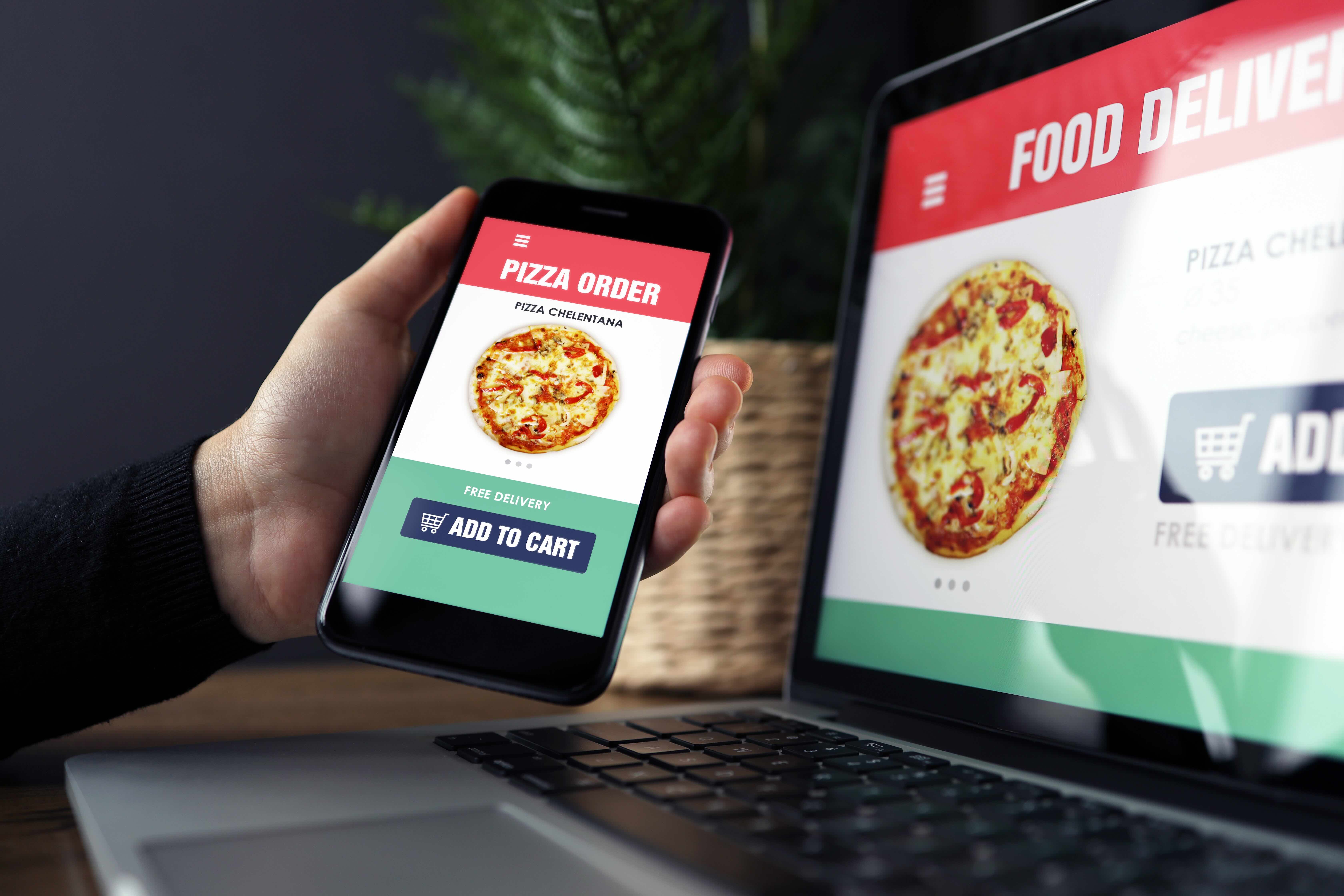
QR code scan-to-order is one of the fastest-growing F&B technologies in Hong Kong after the pandemic. Dine-in customers no longer need to wait for staff to take their orders but can directly scan the QR code provided on the table with their mobile phones to complete the ordering process themselves. For the catering industry, which has long faced labor shortages, this not only significantly reduces the workload of floor staff but also indirectly increases table turnover due to shortened ordering times. Thanks to the high smartphone penetration rate in Hong Kong, QR code ordering has become widely popular among various types of restaurants in recent years, from small eateries and fast-food restaurants to hot pot restaurants and even chain restaurant groups.
Read more:Eats365 QR Code Ordering System & All-You-Can-Eat Features
Pros to QR Code Ordering
Pros 1. Reduce restaurant labor costs
By introducing a scan-to-order system, diners can directly browse the menu and place orders via their mobile phones by scanning a QR code. Restaurant floor staff do not need to shuttle between each table and the kitchen, significantly reducing the restaurant's labor needs.
Pros 2. Lower order error rate
Traditional manual ordering often results in incorrect orders due to communication problems or handwritten errors, which not only wastes ingredients but may also cause customer dissatisfaction. When using scan-to-order, customers can verify the dishes they have selected themselves, reducing the risk of errors caused by poor communication.
Pros 3. Sync your menu anytime
For restaurants that need to change their menus regularly, scan-to-order, being a type of electronic menu, does not require additional printing. In addition to saving printing costs, it also allows for updating the menu or promotional information in the backend at any time, which is instantly synchronized to the ordering link.
Cons to QR Code Ordering
Cons 1. Not suitable for all customers
For older diners or those unfamiliar with new technologies, QR code scan-to-order may be confusing. They may not know how to place an order or may not be used to viewing menus on such a small screen, which can affect their overall dining experience and even discourage them from patronizing the restaurant again.
Cons 2. Lack of personal touch and connection
With traditional manual ordering, waiters can understand customers' preferences and needs through face-to-face interaction and provide immediate explanations and assistance. The introduction of scan-to-order reduces the interaction between staff and diners, which may make some customers feel that the restaurant lacks a personal touch and warmth.
Read more:What is QR Code Payment? All You Need to Know about QR Code Payment for Restaurants
Key Points to Consider When Choosing a QR Code Ordering System
Although QR code ordering may seem similar at first glance, there are actually many details to consider. Let us summarize four key points to help you easily choose the most suitable QR code scan-to-order system for your restaurant!
1. What's the Suitable QR Code Type for Your Restaurant?
When choosing a scan-to-order system's QR code, different functions and service needs should be considered. Generally, they can be divided into three types: static QR code, dynamic QR code, and hot pot all-you-can-eat restaurant QR code.
What is a Static QR Code
A static QR code means that the same QR code will not expire. Usually, this type of QR code is directly affixed to the table. All dine-in customers will use the same code to access the ordering link, and the order contents will be cleared after checkout. This is the most basic type of scan-to-order QR code.
Advantages: Simple and convenient, the link is reusable, and the restaurant only needs to prepare one QR code sticker per table.
Disadvantages: Risk of malicious ordering.
Suitable restaurants: Restaurants with a small number of tables, requiring fast ordering and high table turnover, such as noodle shops and cha chaan tengs.
What is a Dynamic QR Code
A dynamic QR code generates a different code each time. Each group of customers uses a unique ordering link, and the link automatically expires after checkout.
Advantages: Prevents accidental ordering in someone else's order and deters malicious ordering.
Disadvantages: A new QR code needs to be manually printed each time a customer is seated.
Suitable restaurants: Medium to large-sized restaurants with floor management and a larger number of tables.
What is a All-You-Can-Eat QR Code
The main difference in service needs between QR code scan-to-order for hot pot all-you-can-eat restaurants and general scan-to-order is that the ordering link must be able to set restrictions such as dining time per table, number of diners, tiered menus, and serving intervals. This allows customers to order and add dishes within the restaurant's regulations. The common practice is to provide a dynamic QR code when customers are seated, allowing them to order and add dishes directly through the QR code themselves, which can significantly reduce the workload of floor staff in taking repeated orders.
Suitable restaurants: Hot pot all-you-can-eat restaurants with time, per-person, and price tiering.
2. Is it Convenience to Setup & Update Menu?
Since the setup and editing of scan-to-order menus are usually done in the system backend, the user-friendliness of the operation interface and the menu editing capabilities are crucial for restaurant operational efficiency for restaurant managers.
When choosing a scan-to-order system, you can ask the service provider to first grant access to the menu editing backend for testing and then check if the following common menu options can be easily edited and operated:
- Interface Color Scheme:Level of customization and flexibility.
- Menu Image Upload Restrictions: Image size, quantity, format, and upload method.
- Dish Title: Character limit and flexibility in font settings.
- Dish Description: Character limit and flexibility in font settings.
- Set Meals and Meal Combinations: How to set them up, how meal combinations are linked to main courses, and ease of operation.
- Additional Options: What additional options can be added, such as toppings, flavor adjustments, portion adjustments, special requests, and the ease of setting up and copying them.
- Promotional Activities: Types of promotions that can be set up and ease of operation.
- Restriction Settings: Ability to set dining time, tiered menus, limited-time offers, happy hour, etc., and ease of operation.
- Multilingual Support: Whether multiple languages are supported, how to change to other language interfaces on the front end, and the ease of backend operation for setting up multiple languages.
Read more:Menu Setup-Eats365
3. Can It be Integrated to Your Restaurant System or Payments?
System integration is the third key point to consider. For scan-to-order systems, the most important integration is with payment methods.
Customers can choose to pay directly online after placing their orders via scan-to-order, reducing the chance of incorrect bills and improving the overall checkout experience without having to wait for staff to "settle the bill." Therefore, you also need to confirm whether the scan-to-order system can support the third-party payment or e-payment methods you want to use, such as AlipayHK, Apple Pay, PayMe, Octopus, or credit cards.
Furthermore, since you are using a scan-to-order system, it is certainly desirable to integrate it directly with the restaurant's POS, KDS kitchen display system, ERP, or CRM membership management system. This can significantly save you the time spent manually connecting different operational systems.
For large chain restaurants, the degree of system integration is particularly important. If your system can centrally and synchronously manage data, menu updates, promotional activities, and membership management across multiple branches, it can greatly improve your operational management efficiency and provide a clearer analysis of market information.
Read more:2025 Hong Kong E-Wallet Comparison: Top 5 Choices & Key Information for Merchants
5. System Price: Are There Any Hidden Fees?
Scan-to-order is usually an add-on service function under a restaurant's POS system, and most adopt an annual or monthly subscription model. The average monthly price generally falls between a few hundred to several thousand Hong Kong dollars.
Although the difference may not seem significant at first glance, it is particularly worth noting that some service providers, in addition to the subscription fee, will charge an extra service fee or commission on each order. Over time, these small amounts can add up to a considerable extra expense.
Restaurant owners are reminded to clearly inquire about any hidden fees when choosing a scan-to-order system to avoid regrets after signing the contract!
Top 4 Recommended QR Code Ordering Systems in Hong Kong
| Eats365 | DimOrder | PinMe | 餐飲王 | |
|---|---|---|---|---|
| Static QR Code | ✅ | ✅ | ✅ | ✅ |
| Dynamic QR Code | ✅ | ✅ | ✅ | ✅ |
| Hot Pot All-You-Can-Eat Mode | ❌ | ❌ | ❌ | ❌ |
| POS Offline Order Taking | ✅ | ❌ | ❌ | ❌ |
| Pricing Scheme | From HK$1200/month, unlimited order volume | Tailor-made quotation based on restaurant needs | Offers "All-in-One" package pricing covering multiple functions; price depends on restaurant size and needs | Tailor-made quotation based on restaurant needs |
| Suitable Restaurants |
|
|
|
|
Read more:Choosing the Best POS System for Quick Service Restaurants
1. Eats365
Eats365's POS system is known for its powerful features and flexible configurations. Its unique three-layer F&B ecosystem, from the core POS system to the second layer of service expansion modules and the outermost layer of third-party technology integration, features a rigorous modular architecture that allows the core POS system to seamlessly integrate with over 100 expansion modules and third-party technology services.
Eats365's scan-to-order system is also the strongest in the Hong Kong industry. In addition to its static and dynamic QR codes, smooth and stable customer ordering interface, backend food preparation, serving, and checkout processes, its detailed menu editing options and hot pot-specific modules are unmatched by other service providers. Furthermore, it only charges a single fee with no other hidden costs, making it the top choice for medium to large-sized hot pot all-you-can-eat restaurants, such as the well-known chain restaurants Beefarmer Hot Pot and Gyu-Kaku Japanese BBQ.
2. DimOrder
DimOrder's scan-to-order function can simplify the customer ordering process and significantly reduce the time spent by staff taking orders. DimOrder also supports online store systems, connecting to Hong Kong-wide food delivery platforms and Meituan Dianping services, further increasing revenue streams.
3. PinMe
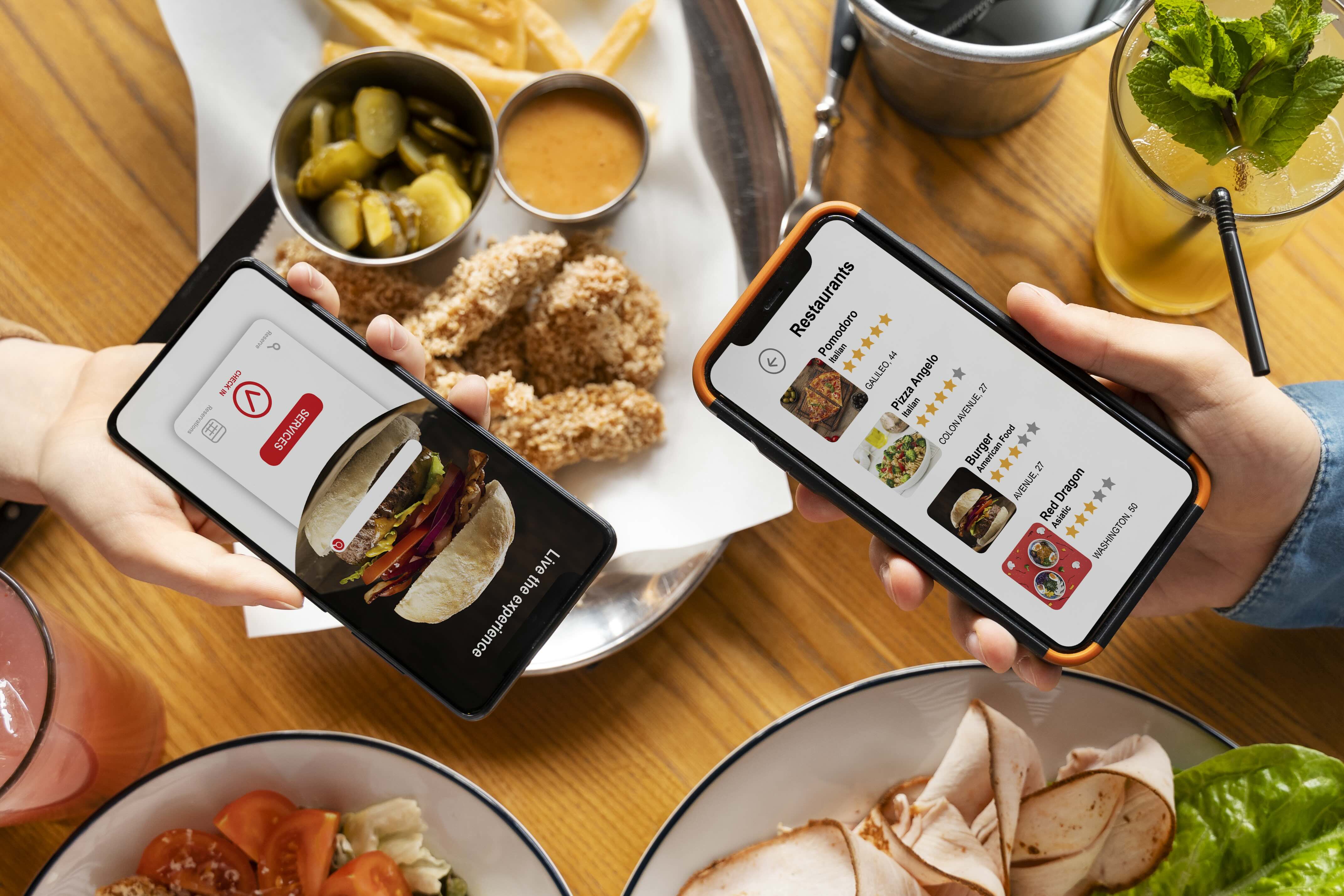
PinMe F&B POS focuses on simple and efficient scan-to-order functionality. It is one of the few service providers, like Eats365, where customers can complete both ordering and payment simply by scanning a QR code, shortening wait times and speeding up table turnover. This scan-to-order system is suitable for various small restaurants pursuing low cost and high efficiency, such as cha chaan tengs, ramen shops, noodle shops, and coffee shops.
4: Caterlord
Caterlord boasts years of experience serving the catering industry, and its interface and function configurations are particularly favored by cha chaan tengs. Customers can quickly complete their orders simply by scanning the QR code on the table or the printed order slip, eliminating the need to wait for floor staff to take orders, significantly improving the operational efficiency of cha chaan tengs, and making it very suitable for small restaurants that require high table turnover.
Top Choice for Scan-to-Order Systems—Eats365
Eats365 boasts the most powerful scan-to-order functionality recognized in the Hong Kong F&B industry. In addition to a highly customizable, aesthetically pleasing, and easy-to-operate menu interface, it is also equipped with detailed menu setup options.
Furthermore, in its hot pot all-you-can-eat module, you can flexibly preset different menu prices based on age, time, and date to cater to different date needs (e.g., public holidays). It also allows you to set dining time limits, customer unlock upgrades such as extended periods or hidden menus, and restrictions on the number/interval/checkout time of customer orders. These are very common services in hot pot all-you-can-eat restaurants that require significant human resources and are not supported by most POS systems.
Let Eats365 help you automatically handle these trivial daily operations, allowing you and your staff to focus more on building better connections with customers and improving service satisfaction.
Want to know more about Eats365's scan-to-order module features? Feel free to consult our experts or request a free trial now!
FAQs to QR Code Ordering Systems
1.Is it expensive to introduce a QR code scan-to-order system?
QR code scan-to-order is usually one of the functions provided by F&B POS system service providers. Depending on the service content, you can start using it by paying an additional specified fee. However, some service providers charge based on the volume of scan-to-order transactions, so you need to pay extra attention to whether this is really suitable for you – the higher the volume, the higher the cost. Restaurant owners are advised to calculate their average customer order value and average monthly order volume before confirming a service provider.
2.Can customers pay online directly after scanning the QR code to order?
Currently, only a small number of scan-to-order systems in Hong Kong can integrate third-party payment functions. Therefore, before choosing a service provider, you can first understand whether they support scan-to-pay, how to activate payment methods, and whether there are any additional handling fees.
3.If the restaurant's internet is unstable, can the scan-to-order system still work?
Since the process of a scan-to-order system involves customers scanning a QR code with their mobile phones to access an online ordering system and then transmitting the online order to the restaurant's POS system via the internet (similar to WhatsApp messages, where messages cannot be received without internet access), if the restaurant POS system's internet connection is interrupted when receiving an order, the order placed by the customer's mobile phone cannot be successfully sent to the POS system, potentially leading to missed orders and other issues.
If your restaurant's internet connection is unstable or has poor reception, and customers' mobile phones do not easily connect to 4G or 5G, you may consider choosing other ordering methods that use an internal network, such as self-service ordering kiosks or electronic menus.
4.Can the scan-to-order system support multiple languages?
Most scan-to-order systems can support switching between Chinese and English menus. Eats365's scan-to-order system currently supports not only Chinese and English but also Korean, Japanese, Vietnamese, and other languages. Furthermore, in addition to the scan-to-order system, our merchant backend and kitchen printing can also select different multilingual options.
5.Why do some customers dislike scan-to-order?
Many netizens on various forums have expressed reasons for disliking scan-to-order, including poor indoor network reception, small and difficult-to-read fonts on mobile phones, unusable interfaces, and longer ordering times for elderly customers who are not familiar with technology. Restaurant owners are advised to consider the technological proficiency of their main customer base and choose the most suitable ordering interface to make their digital transformation journey smoother.