Top 5 E-Wallets for Singapore Restaurants in 2025
Still asking diners for 'cash or card'? In Singapore's bustling F&B scene, not offering the right e-wallet means losing customers. Let's find the best solution for you.
Contents
- Overview of E-Wallet Adoption in Singapore's F&B Sector
- Criteria for Selecting the Best E-Wallets for Restaurants
- Top 5 E-Wallets for Singapore Restaurants in 2025
- 1. GrabPay
- 2. ShopeePay
- 3. PayNow
- 4. NETS QR
- 5. DBS PayLah
- Integration of E-Wallets with Existing POS Systems
- Future-Proof Your Restaurant With Seamless Digital Payments
- FAQs about E-Wallet in Singapore
- Why accept e wallet payments at my eatery
- What are the costs for an e wallet system
- How to manage multiple e wallet payments easily
- How fast will I get my e wallet funds
- Is my business secure with e wallet payments
Overview of E-Wallet Adoption in Singapore's F&B Sector
Singapore has witnessed a dramatic surge in e-wallet adoption across all sectors, and the Food & Beverage (F&B) industry is no exception. Driven by the government’s push for a cashless society and changing consumer preferences, more and more diners are opting for the convenience of digital payments. According to Statista, the digital payments segment in Singapore is projected to see significant growth, with transaction values reaching billions; exact figures should be confirmed with the latest Statista reports . This trend is significantly impacting how restaurants operate, with an e wallet becoming an increasingly essential tool for businesses.
The benefits for restaurants are numerous. Faster transaction times reduce queues and improve table turnover rates, leading to increased revenue. Minimizing cash handling reduces risks associated with theft and human error, while also streamlining accounting processes. Perhaps most importantly, offering popular e wallet payment options enhances customer convenience, boosting satisfaction and encouraging repeat business. Customers appreciate the speed and security of these payments, and restaurants that don’t offer them risk losing out to competitors who do. Many consumers now actively _seek out_ establishments that accept their preferred digital payment methods. Surveys indicate a high adoption rate of e-wallets among Singaporeans, with many using at least one regularly. This highlights the critical need for F&B businesses to adapt.
Read more: The Rise of Cashless Payments: What It Means for Your Restaurant (eats365pos.com)
Criteria for Selecting the Best E-Wallets for Restaurants
Choosing the right e wallet for your restaurant isn’t a one-size-fits-all decision. Several key factors need careful consideration to ensure a solution aligns with your business needs and maximizes returns.
-
Transaction Fees: Understand the fee structure associated with each e-wallet. Fees can vary significantly and impact your profit margins. Look for transparent pricing with no hidden charges. Some e wallet providers offer tiered pricing based on transaction volume.
-
User Base: Consider the popularity of the e wallet amongst your target demographic. A widely used platform will naturally drive more transactions. Data from Finder lists GrabPay and ShopeePay among popular e-wallet options in Singapore, though exact usage rankings may vary depending on the source.
-
Integration Capabilities: Seamless integration with your existing Point of Sale (POS) system is crucial. This minimizes manual data entry, reduces errors, and streamlines reconciliation. Check if the e wallet provider offers direct integrations with your current POS or supports integration through third-party APIs.
-
Security Features: Prioritize security. Ensure the e wallet utilizes robust encryption and fraud prevention measures to protect sensitive customer data. Look for platforms compliant with Payment Card Industry Data Security Standard (PCI DSS).
-
Customer Support: Reliable and responsive customer support is essential, especially during initial setup and troubleshooting. Evaluate the availability of support channels (e.g., phone, email, chat) and the quality of assistance offered.
-
Settlement Time: How quickly does the e wallet provider deposit funds into your bank account? Faster settlement times improve cash flow.
Top 5 E-Wallets for Singapore Restaurants in 2025
Based on current trends and projected growth, here's an analysis of the top five e-wallets expected to be most relevant for Singapore restaurants in 2025:
1. GrabPay
With a massive user base stemming from the Grab ride-hailing and food delivery ecosystem, GrabPay is a dominant player in Singapore’s digital payment landscape. It offers seamless integration with GrabFood for restaurants already on the platform. GrabPay also actively promotes cashback and rewards programs, incentivizing usage.
Read more: GrabPay Wallet | Grab SG
2. ShopeePay
Leveraging Shopee’s e-commerce popularity, ShopeePay boasts a large and active user base, especially among younger demographics. It frequently runs promotions and offers discounts, attracting cost-conscious consumers. Its integration with ShopeeFood is also a key advantage.
Read more: ShopeePay | #1 Payment Method For Ecommerce
3. PayNow
A real-time payment service enabling users to transfer funds instantly using just a mobile number or Unique Entity Number (UEN). PayNow is backed by major banks in Singapore and is experiencing rapid growth due to its simplicity and convenience. Many restaurants are adopting PayNow QR codes for easy customer payments.
Read more: PayNow Singapore (abs.org.sg)
4. NETS QR
NETS is a long-standing payment provider in Singapore with high brand recognition. NETS QR offers a widely accepted and secure payment option, especially appealing to customers who may be less familiar with newer e-wallet platforms. It also supports multiple payment methods, including credit and debit cards.
Read more: NETS QR – NETS
5. DBS PayLah!
Backed by DBS Bank, one of Singapore's leading financial institutions, PayLah! benefits from high trust and security. It's particularly popular amongst DBS/POSB customers and offers a convenient way to manage payments through the DBS digibank app.
Read more: DBS PayLah!–Your ultimate everyday app | DBS Singapore
Integration of E-Wallets with Existing POS Systems
Integrating e-wallet solutions with your existing POS system is paramount for efficiency and accuracy. The complexity of integration can vary depending on your POS provider and the chosen e-wallet.
-
Direct Integration: Some POS systems offer direct integrations with popular e-wallet providers like GrabPay, ShopeePay, and NETS QR. This is the most seamless approach, allowing transactions to be processed directly through the POS, automatically updating inventory and sales reports.
-
Third-Party Integrations: If your POS doesn’t have a direct integration, you can utilize third-party payment gateways that support multiple e-walletoptions. These gateways act as a bridge between your POS and the payment networks.
-
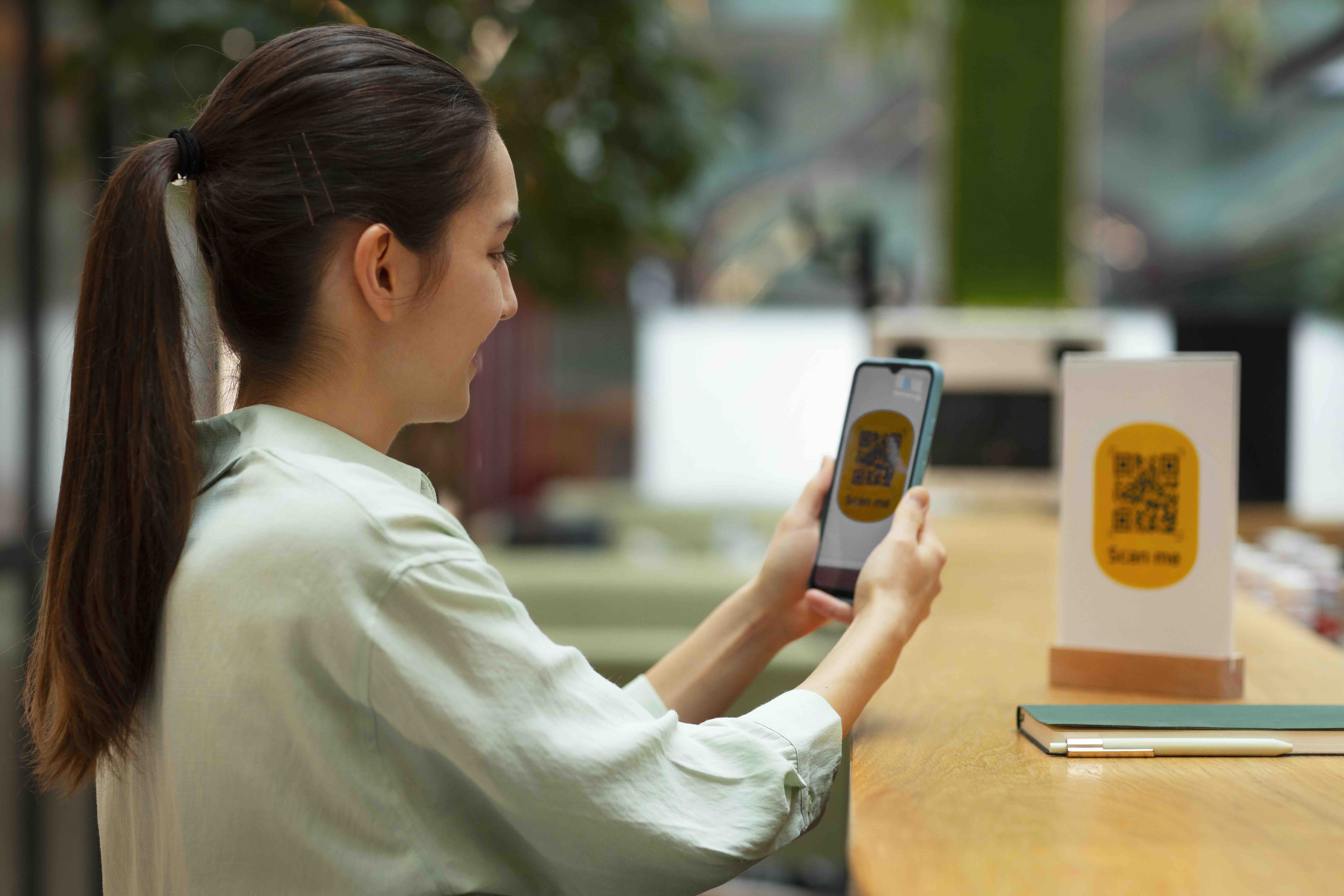

Manual/QR Code Solutions: A more basic approach involves displaying QR codes for each e-wallet at the point of sale. Customers scan the QR code, initiate the payment on their device, and the restaurant receives a notification of completion. This requires manual reconciliation but is a viable option for smaller establishments or those with limited budgets.
Potential challenges include compatibility issues between the e-wallet and your POS system, setup complexities, and the need for staff training. Thorough testing is essential before launch to ensure smooth transactions and minimize disruptions. For example, a restaurant might initially experience delays in settlement if the integration isn't properly configured, necessitating close collaboration with both the POS and e e-wallet support teams. Eats365 provides integration options with payment gateways that may support e-wallets; restaurants are advised to confirm specific compatibility and supported e-wallets directly with the provider payment gateways.
Read more: What is QR Code Payment? All You Need to Know about QR Code Payment for Restaurants (eats365pos.com)
Future-Proof Your Restaurant With Seamless Digital Payments
Embracing e-wallets isn’t just a trend; it's a necessity for Singaporean restaurants aiming to thrive in today's competitive market. Integrating the right e-wallet solutions into your existing POS system can streamline operations, enhance customer satisfaction, and ultimately boost your bottom line.
Ready to take your restaurant payments into the future? Contact Eats365 today to explore how our integrated solutions can help you capitalize on the growing e-wallet landscape.
FAQs about E-Wallet in Singapore
Why accept e wallet payments at my eatery?
Accepting e-wallets like GrabPay, PayLah!, and FavePay caters to the growing number of Singaporeans who prefer cashless payments. It speeds up transactions, reduces the risks of handling cash, and attracts younger, tech-savvy diners who are often influenced by e-wallet specific promotions and rewards.
What are the costs for an e wallet system?
Costs typically involve a transaction fee, also known as the Merchant Discount Rate (MDR), which is a small percentage of each sale (usually 0.5% - 2.5%). Some all-in-one terminal providers may have a one-time setup fee or a monthly rental fee, but many standalone e-wallet services have waived these initial costs.
How to manage multiple e wallet payments easily?
The easiest way is to use a payment aggregator or an integrated POS system that supports SGQR. The SGQR code consolidates multiple payment schemes, including various e-wallets, into a single QR code. This simplifies the payment process for both customers and staff, and makes daily sales reconciliation much more straightforward.
How fast will I get my e wallet funds?
Settlement times vary by provider. Typically, funds from e-wallet sales are batched and transferred to your business bank account within 1 to 3 business days (T+1 to T+3). It's best to confirm the specific settlement cycle with your chosen payment provider when you sign up.
Is my business secure with e wallet payments?
Yes, e-wallet transactions are very secure. They use multiple layers of protection like encryption and tokenization, which means sensitive card details are never stored on your system. This significantly reduces the risk of fraud compared to physical card payments and eliminates issues like handling counterfeit cash.