QR Code Payment Systems: A Guide for Singaporean Restaurant Owners
Still watching customers wave for the bill? Adopting a QR code payment system can boost table turnover and guest satisfaction. Let’s explore how to implement it effectively.
 23 Mar 2026

 Eats365
Contents
Understanding Restaurant QR Code Payments
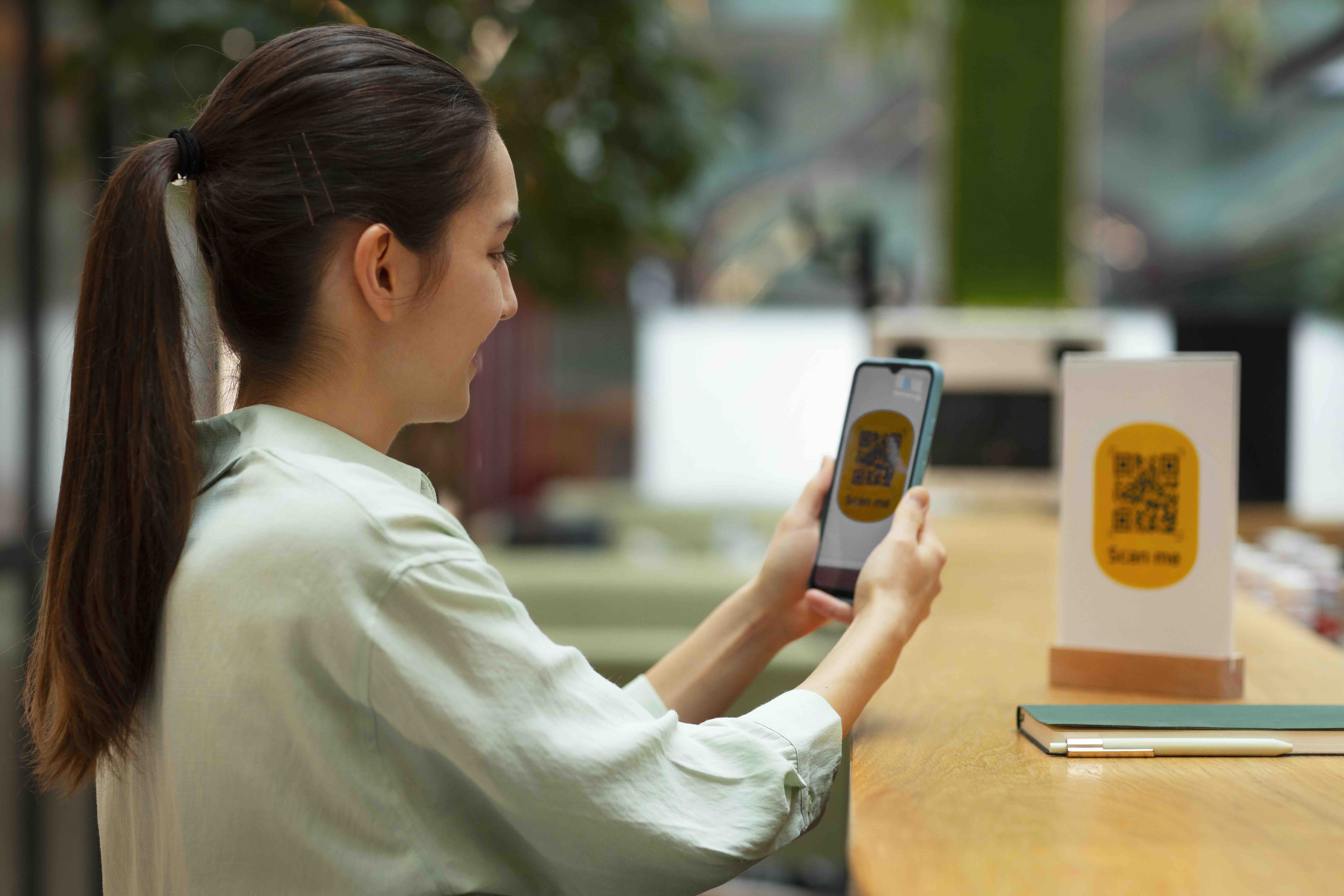
QR code payment systems have revolutionized the dining experience by enabling customers to settle their bills through a simple scan using their smartphones. In a restaurant setting, this technology utilizes Quick Response (QR) codes—two-dimensional barcodes that store information readable by mobile devices. When a customer scans a QR code, they are directed to a secure payment page where they can complete the transaction without the need for physical cash or cards. There are several models of QR code payments in restaurants:
-
Scan-to-Pay at the Table: Customers scan a QR code placed on their table, which links to their specific bill, allowing them to review and pay without waiting for staff assistance.
-
Scan-on-Bill: A QR code is printed on the bill, which customers scan to access the payment portal and complete the transaction.
The integration of QR code technology into contactless payment systems aligns with the growing consumer preference for digital and hygienic payment methods, especially in the wake of health concerns. This approach not only enhances operational efficiency but also caters to the tech-savvy clientele prevalent in Singapore.
Read more: How to Choose the Best Restaurant Payment System: Key Features, Pricing & Security (eats365pos.com)
Benefits of QR Code Payment for Singapore Eateries
Adopting QR code payment systems offers numerous advantages for F&B businesses in Singapore:
-
Faster Transactions and Increased Efficiency: Streamlines billing to reduce wait times and accelerate table turnover, allowing more patrons to be served during peak hours.
-
Improved Hygiene with Contactless Payments: Minimizes physical handling of cash and cards, fostering a safer and more sanitary dining environment for staff and guests.
-
Cost Savings Compared to Traditional Terminals: Reduces overhead by utilizing customer devices, often eliminating the need for expensive, dedicated hardware and maintenance fees.
-
Enhanced Customer Experience: Empowers diners to pay at their own pace, increasing satisfaction through convenience and reduced reliance on staff assistance.
-
Better Data Tracking and Insights: Aggregates valuable digital data on peak hours and popular dishes to optimize staffing, inventory, and marketing strategies.
Read more: Essential Features to Consider in a Restaurant POS System in Singapore (eats365pos.com)
Registering for SGQR and Navigating Fees
To streamline payments, most Singaporean merchants adopt the SGQR (Singapore Quick Response Code), which combines multiple payment schemes into one label.
How to Register for SGQR?
-
Select a Lead Acquirer: Choose a bank (like DBS, OCBC, UOB) or a non-bank financial institution (like NETS or Liquid Group) to be your primary provider.
-
Apply via Corporate Banking: For instance, DBS merchants can log in to DBS IDEAL, navigate to 'Apply', and select 'PayNow & SGQR' to register their UEN (Unique Entity Number).
-
Receive Your Label: Once approved, your acquirer will provide a physical or digital SGQR label that includes the specific payment schemes you’ve enabled.
Comparing Providers: Fees and Settlements
| Provider | Payment Type | Typical MDR | Settlement Time |
|---|---|---|---|
| PayNow / PayLah! | Bank Transfer | ~0% - 0.5% | Near-Instant |
| GrabPay | E-wallet | ~1.0% - 2.5% | T+1 Business Day |
| Singtel Dash | E-wallet | ~1.5% - 2.5% | T+1 to T+2 Business Days |
| Credit Cards | Visa/Mastercard | ~2.5% - 3.5% | T+2 to T+3 Business Days |
Implementing QR Payments Effectively
To successfully implement QR code payment systems in your restaurant, follow these steps:
-
Select a Suitable Provider: Based on the factors outlined above, choose a QR payment solution that aligns with your restaurant’s needs and integrates well with your existing systems.
-
Set Up Accounts and Integrate Systems: Work with the provider to set up your merchant account and integrate the QR payment system with your POS. Ensure that all technical aspects are configured correctly for seamless operation.
-
Strategically Place QR Codes: Position QR codes where they are easily accessible to customers, such as on tables, menus, or bills. Ensure the codes are printed clearly and are durable to withstand regular use.
-
Train Staff Thoroughly: Educate your staff on how the QR payment system works, including troubleshooting common issues and assisting customers who may be unfamiliar with the technology.
-
Communicate the New Payment Option to Customers: Inform your patrons about the availability of QR code payments through signage, menu inserts, and verbal communication from staff. Highlight the benefits, such as faster checkout and enhanced hygiene, to encourage adoption.
By carefully selecting and effectively implementing a QR code payment system, Singaporean restaurant owners can enhance operational efficiency, improve customer satisfaction, and stay competitive in the evolving F&B landscape.
Streamlining Operations with Integrated Payment Solutions
While adopting QR payments offers clear benefits, many Singaporean restaurateurs find managing multiple payment schemes, separate merchant apps, and varying settlement periods to be a significant administrative challenge. Juggling different devices to verify a GrabPay transaction versus a PayNow transfer can slow down operations and lead to reconciliation errors.
365pay addresses these complexities by acting as a unified payment aggregator. Instead of navigating fragmented systems, it consolidates diverse payment methods—including major e-wallets, credit cards, and PayNow—into a single, cohesive workflow. This ensures that every payment is automatically synced with your Eats365 POS, providing real-time reporting and simplified reconciliation within a centralized dashboard.
If you are looking to simplify your billing process and reduce the manual workload for your staff, we invite you to learn more about how 365pay’s integrated solution can be tailored to your business needs by submitting an inquiry today.
QR Code Payment FAQs
Q: Why should my cafe use QR code payment?
Implementing QR code payment speeds up your service, especially during peak hours, and facilitates faster table turnover. It reduces cash handling, minimises human error, and improves hygiene. It also caters to the growing number of Singaporean consumers who prefer using e-wallets like DBS PayLah!, GrabPay, and PayNow, enhancing their dining experience.
Q: What are the fees for QR code payment?
While setup is often free, the main cost is the Merchant Discount Rate (MDR) merchant fees, which typically ranges from 0.5% for bank transfers to 3.5% for credit cards. Some providers, especially for SGQR, may offer promotional rates. It's best to compare rates from providers like Nets, Grab, or your POS system partner.
Q: Is QR code payment hard for staff to manage?
No, it's very straightforward. If integrated with your POS system, the process is automated; otherwise, staff simply confirm the payment via a merchant app notification or the customer's phone display. Staff training is minimal as the system is highly intuitive.
Q: What apps work with a single QR code payment?
By adopting the national SGQR standard, a single label can accept payments from numerous apps including banking apps like DBS PayLah!, OCBC Pay Anyone, UOB TMRW, and popular e-wallets like GrabPay and Singtel Dash. This declutters your counter and offers maximum convenience.
Q: How secure is a QR code payment transaction?
Transactions are highly secure, utilizing encryption and processing through platforms regulated by the Monetary Authority of Singapore (MAS). Features like dynamic QR codes further enhance security, while customers authorize every payment on their own secure mobile devices.
Q: When will I get my QR code payment funds?
Settlement time varies by provider and payment type. Payments via PayNow are often near-instant, while e-wallets typically settle on the next business day (T+1), and credit cards may take two to three business days (T+2 to T+3).