Ghost Kitchen Guide: Start, Profitability, and Regulations
Is your restaurant ready to embrace the future of food service? Ghost kitchens are revolutionizing the industry, offering a streamlined, delivery-focused model. This article explores how ghost kitchens work, different types, and key steps to launch your own successful virtual restaurant.
 17 Dec 2024

 Eats365
Contents
The restaurant industry has witnessed a seismic shift toward delivery-first operations, with 60% of restaurant meals now consumed off-premise. At the heart of this transformation lies the ghost kitchen—a business model that's reshaping how we think about food service operations.
What Is a Ghost Kitchen?
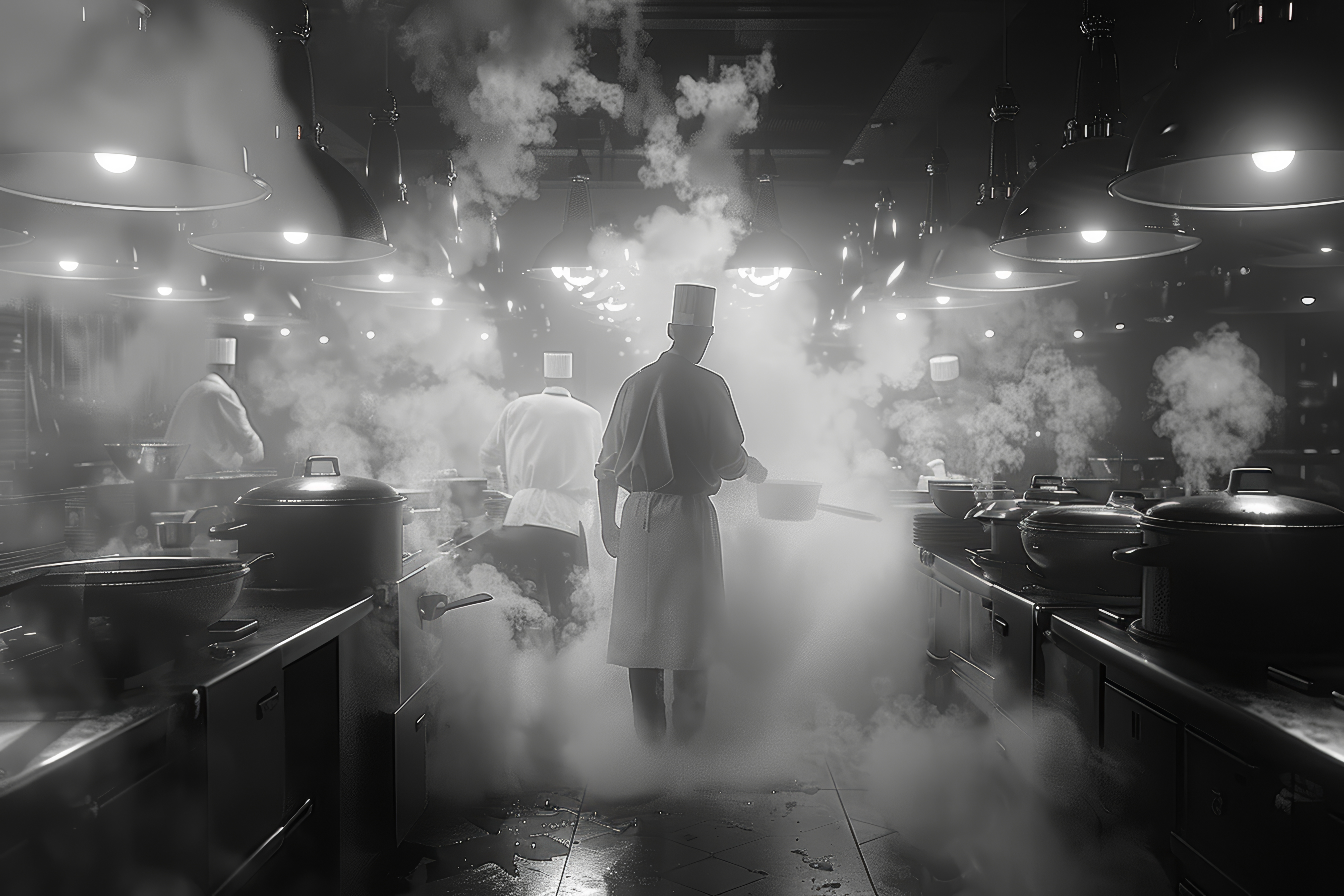
A ghost kitchen is essentially a commercial cooking space with no dine-in option, designed exclusively for preparing meals for delivery and takeout. Think of it as the kitchen component of a traditional restaurant, stripped of everything else—no dining room, no servers, no storefront where customers can walk in.
These operations function as virtual restaurants, existing primarily as digital storefronts on delivery platforms like DoorDash, Uber Eats, and Grubhub. The concept emerged when restaurateurs realized they could increase their meal delivery capacity without expanding their physical storefronts. What makes ghost kitchens particularly intriguing is their flexibility—one kitchen space can operate multiple virtual restaurant brands, maximizing revenue potential from a single location.
Types of Ghost Kitchens
The ghost kitchen landscape isn't one-size-fits-all. Understanding the different models helps you choose the right approach for your specific situation and budget.
Dedicated Single-Brand Delivery Kitchen represents the most straightforward approach. You lease or convert space exclusively for one restaurant concept, maintaining complete control over operations, branding, and quality. This works best for established restaurants looking to expand their delivery reach or test new markets without the overhead of a full restaurant.
Multi-Brand Delivery Hub allows operators to run several virtual restaurant concepts from one kitchen. You might serve Italian, Mexican, and Asian cuisine under different brand names, sharing equipment and staff across concepts. This model maximizes kitchen management software utilization and appeals to entrepreneurs wanting to test multiple concepts simultaneously.
Commissary/Shared Kitchen facilities house multiple independent restaurant operators under one roof. Companies like Kitchen United provide fully-equipped spaces where you rent kitchen stations by the hour or month. This option offers the lowest barrier to entry, perfect for food entrepreneurs testing concepts before committing to dedicated space.
Pop-up/Ghost Incubator Hubs function as temporary testing grounds for new restaurant concepts. These spaces often provide mentorship, shared resources, and flexible terms that allow rapid experimentation with minimal risk.
The key difference between ghost kitchens and traditional restaurants becomes clear when you consider operational focus. Traditional restaurants juggle dine-in experience, service staff, ambiance, and delivery. Ghost kitchens streamline everything toward one goal: efficiently producing quality food for digital ordering and off-premise consumption.
Read more: No Money Down Restaurant? Leverage Shared Kitchens & Delivery (eats365pos.com)
Steps to Start a Ghost Kitchen
Launching a ghost kitchen requires careful planning across multiple dimensions—from physical setup to technology integration. We'll walk through each critical component to help you build a solid foundation.
Step 1. Location & Kitchen Setup
Your location strategy differs significantly from traditional restaurants. Instead of foot traffic and visibility, prioritize proximity to high-density residential areas and efficient delivery zones. Many operators start by converting underutilized space in existing restaurants during off-peak hours.
When evaluating kitchen spaces, your checklist should include proper ventilation systems that can handle increased cooking volume, adequate cold and dry storage for inventory, a dedicated staging area for delivery pickups, and sufficient electrical capacity for multiple cooking stations. The pickup area deserves special attention—design it for quick driver access without disrupting kitchen order system workflow.
Permit requirements vary by municipality, but most locations require commercial kitchen permits, fire safety inspections, and zoning approval for delivery-focused operations. County health departments typically regulate restaurant sop, while local authorities handle business licensing.
Startup costs for kitchen setup range from $50,000 to $200,000 depending on space size, equipment needs, and local requirements. Converting existing restaurant space typically costs less than building from scratch, while joining an established commissary might require just $5,000 to $15,000 in initial investment.
Step 2. Menu & Branding
Successful ghost kitchen menus prioritize delivery optimization over dine-in appeal. Focus on items that travel well, maintain quality during transport, and can be prepared efficiently in high volumes. Consider how each dish looks after a 20-minute delivery ride—crispy items might arrive soggy, while certain sauces could leak.
Restaurant food photography for ghost kitchens means ruthless SKU rationalization. Start with 12-15 core items that share ingredients across preparations. This approach reduces inventory complexity while maintaining perceived variety. For multi-brand operations, design menus that utilize the same proteins, vegetables, and base ingredients across different ethnic concepts.
Packaging costs can quickly erode margins, so factor this into your pricing strategy. Quality containers that maintain food temperature and presentation typically cost $0.50 to $2.00 per order, depending on complexity. Test your packaging thoroughly—what works in the kitchen might fail during actual delivery conditions.
Target key performance indicators include average prep time under 8 minutes per item, food origins costs between 28-32% of revenue, and average order values of $25-35 to offset delivery commission costs. Testing with limited SKUs allows you to refine operations before expanding menu offerings.
Step 3. Tech & POS Setup
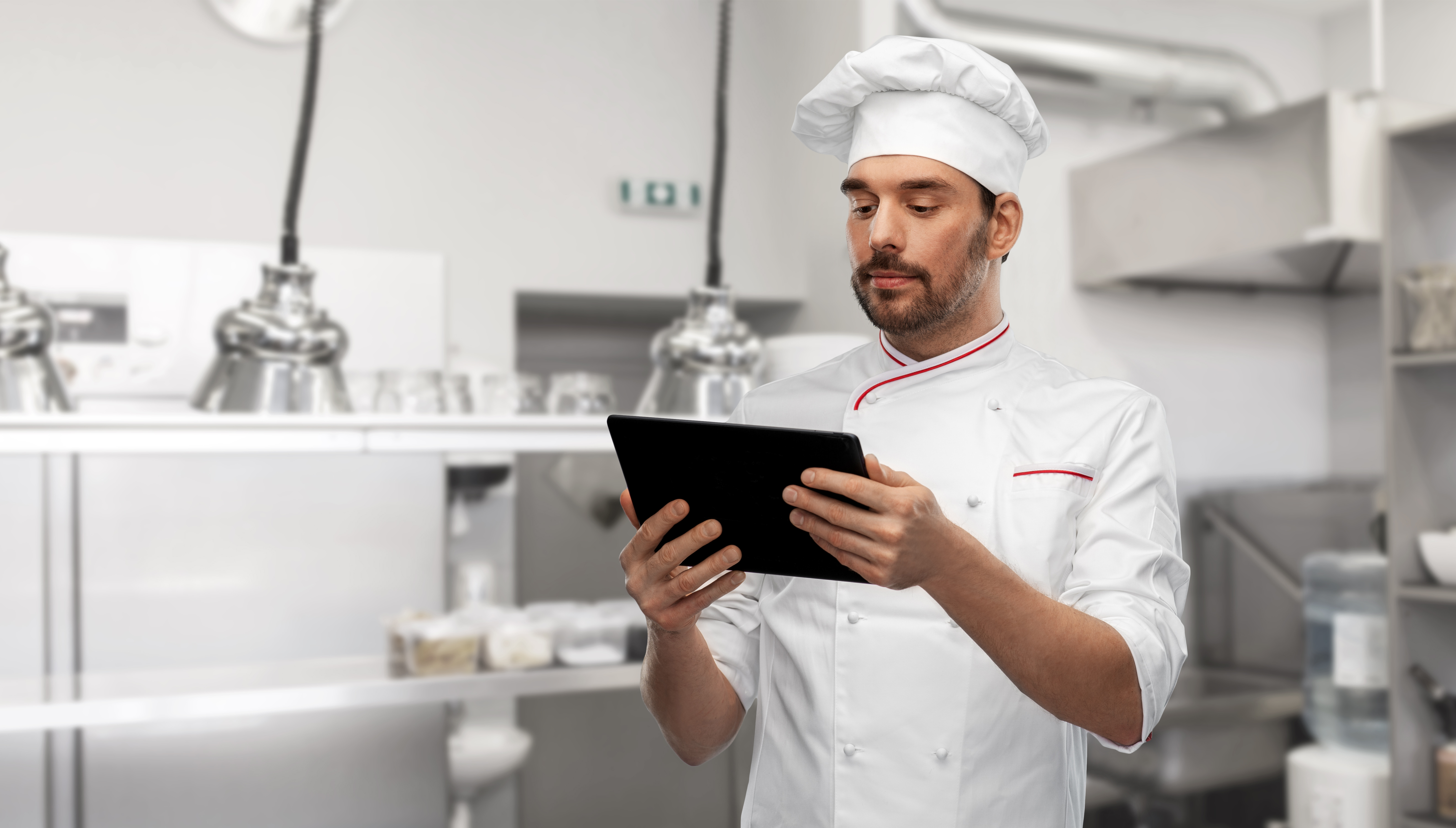
Technology infrastructure makes or breaks ghost kitchen operations. You'll need systems that seamlessly integrate order management, kitchen operations, delivery coordination, and financial reporting across multiple revenue streams.
The fundamental decision involves choosing between an integrated platform versus connecting multiple specialized tools. Traditional approaches might combine separate point-of-sale systems, kitchen display solutions, delivery platform integrations, inventory management, and reporting tools. While this "best-of-breed" approach offers flexibility, it creates complexity in data flow, staff training, and troubleshooting.
Integrated solutions like Eats365 offer significant advantages for ghost kitchen operators, particularly those managing multiple brands or scaling operations. The platform combines cloud-based POS functionality with native kitchen display systems, direct integrations with major delivery platforms, real-time inventory tracking, and centralized reporting across all revenue channels.
| Feature | Integrated Platform (Eats365) | Separate Tools Approach |
|---|---|---|
|
Multi-brand Support |
Native support for multiple concepts |
Requires separate setups |
|
Delivery Integration |
Direct API connections to all major platforms |
Third-party middleware needed |
|
Kitchen Display |
Built-in KDS with order routing |
Separate KDS subscription |
|
Inventory Sync |
Real-time across all channels |
Manual reconciliation |
|
Reporting Dashboard |
Unified analytics across brands |
Data silos, manual consolidation |
|
Setup Complexity |
Single implementation |
Multiple vendor coordination |
|
Monthly Costs |
$150-300 per location |
$300-500+ across multiple tools |
For multi-brand operators, centralized reporting becomes crucial for understanding which virtual concepts drive profitability. Eats365's dashboard aggregates sales data, food costs, and operational metrics across all brands, enabling data-driven decisions about menu optimization and resource allocation.
Restaurants shifting from dine-in to delivery-first operations particularly benefit from integrated platforms that maintain operational continuity while adding delivery capabilities. The learning curve remains manageable, and staff can focus on food preparation rather than juggling multiple technology interfaces.
4. Licensing & Regulations
Navigating regulatory requirements represents one of the most critical—and often overlooked—aspects of ghost kitchen setup. US restaurant SOP apply the same standards to ghost kitchens as traditional restaurants, but delivery-focused operations face additional compliance considerations.
Start with your local health department to understand specific permit requirements. Most jurisdictions require commercial food service licenses, which involve facility inspections, staff certifications, and ongoing compliance monitoring. Plan for 4-8 weeks lead time for initial permitting, depending on local processing times.
ServSafe certification or equivalent food handler training is mandatory for kitchen staff in most states. Budget $15-50 per employee for initial certification, with renewal requirements every 2-3 years.
Zoning considerations become complex when operating from non-traditional restaurant spaces. Some municipalities restrict commercial food preparation in certain zones or require special permits for delivery-only operations. Review lease agreements carefully—many commercial spaces prohibit food service operations or require landlord approval for kitchen installations.
Commissary agreements, if applicable, should clearly define responsibilities for permits, inspections, utilities, and liability insurance. Ensure your chosen facility maintains proper health department approvals and that your operations won't conflict with other tenants.
Packaging and labeling requirements vary by state but generally include ingredient disclosures, allergen warnings, and business contact information. FDA labeling guidelines provide federal baseline requirements, while states may impose additional standards.
Ghost Kitchen Financial Model & Profitability
Understanding your financial model is crucial before investing time and money into a ghost kitchen operation. The economics differ significantly from traditional restaurants, with lower fixed costs but higher variable expenses in delivery commissions and packaging.
Fixed costs typically include rent ($3,000-8,000 monthly for dedicated space), utilities ($300-800), equipment leasing or amortization ($500-1,500), insurance ($200-500), and technology subscriptions ($150-500). Commissary operators might pay $15-25 per hour for kitchen access instead of fixed rent.
Variable costs center around food origins costs (target 28-32%), packaging materials (2-4% of revenue), delivery platform commissions (15-30%), and labor for food preparation (20-25%). Marketing and customer acquisition costs vary widely but budget 5-10% of revenue initially.
Break-even analysis depends on several key drivers. Average order value significantly impacts profitability—orders under $20 struggle to cover commission and packaging costs, while $30+ orders provide healthier margins. Restaurant ordering system volume requirements typically range from 50-100 daily orders for small operations to reach break-even.
A sample 100-order daily operation generating $25 average order value produces $2,500 daily revenue or $75,000 monthly. After deducting 30% food costs ($22,500), 20% delivery commissions ($15,000), 4% packaging ($3,000), and $12,000 labor, gross profit reaches $22,500. Subtracting $8,000 fixed costs leaves $14,500 monthly net profit—approximately 19% margin.
Multi-brand approaches can significantly improve kitchen utilization and profitability. Running three virtual concepts from one kitchen spreads fixed costs across multiple revenue streams while maximizing equipment usage during different demand periods.
Scenario modeling helps prepare for different outcomes. Conservative projections might assume 50% of expected volume, while optimistic scenarios could model 150% with corresponding cost adjustments. Understanding these ranges helps you plan cash flow and investment requirements realistically.
Ghost Kitchen Profitability & Cost Drivers
Mastering ghost kitchen profitability requires understanding the unique cost structure and optimization opportunities that distinguish this model from traditional restaurants. The elimination of front-of-house operations creates new financial dynamics that smart operators can leverage for competitive advantage.
Labor optimization becomes straightforward when you focus solely on food preparation. Without servers, hosts, or bussers, your team centers on kitchen efficiency and order fulfillment. Target labor costs of 20-25% versus 30-35% for full service restaurants. Cross-train staff across multiple virtual brands to maximize productivity during varying demand periods.
Food origins cost control follows familiar principles but requires delivery-specific considerations. Items that photograph well for online menus might use premium ingredients that inflate costs, while packaging can add unexpected expenses. Industry benchmarks suggest targeting 28-32% food costs for delivery operations, slightly higher than dine-in restaurants due to packaging requirements.
Packaging represents a new cost category that can quickly spiral out of control. Quality containers, utensils, and branded materials might cost $1-3 per order. Consider how packaging affects customer perception and repeat orders—cheap containers that leak or collapse create negative experiences that damage long-term profitability.
Delivery commissions remain the largest unique expense, typically ranging from 15-30% depending on platform negotiations and promotional participation. Established restaurants might negotiate lower rates, while new operators often accept higher commissions for platform marketing support. Factor commission costs into menu pricing from the start rather than absorbing them from existing margins.
Marketing and customer acquisition costs differ significantly from traditional restaurants. Without foot traffic or word-of-mouth from dine-in experiences, you'll invest more heavily in digital advertising, promotional discounts, and platform visibility. Budget 5-15% of revenue for customer acquisition, with higher percentages during launch phases.
Average order value becomes the critical profitability lever. Orders under $20 struggle to generate meaningful profit after commissions and costs, while $35+ orders provide healthier margins. Menu engineering tactics include strategic bundling, upselling complementary items, and minimum order requirements for delivery.
Consider a practical example: a ghost kitchen generating 80 orders daily at $28 average order value produces $2,240 daily revenue. With 30% food origins costs ($672), 25% delivery commissions ($560), 4% packaging ($90), 22% labor ($493), and $200 daily fixed costs, net profit reaches $225 daily or approximately 10% margin.
Sensitivity analysis reveals improvement opportunities. Increasing average order value to $32 through bundling and upselling boosts daily profit to $545—a 142% improvement from a 14% revenue increase. Alternatively, reducing food costs by 2 percentage points through better purchasing adds $45 daily profit.
Eats365's reporting capabilities become invaluable for monitoring these metrics in real-time. The platform tracks key performance indicators across multiple brands, identifying which concepts drive profitability and which require menu optimization or operational adjustments. Daily sales reporting by hour helps optimize staffing and inventory levels, while automated food cost calculations flag margin issues before they impact monthly results.
Successful operators establish target KPIs including 65%+ prime cost (food + labor), 15%+ net profit margin, under 12-minute average prep time, and less than 2% refund rate. Regular monitoring and adjustment of these metrics separates profitable operations from struggling concepts.
Streamlining Ghost Kitchen Operations with Eats365
Running a successful ghost kitchen requires juggling numerous moving parts. Eats365's comprehensive POS system simplifies these complexities, integrating online ordering, kitchen display systems, and delivery platform management into one powerful platform. This allows you to focus on crafting delicious food and growing your business, leaving the operational headaches to us. Contact Eats365 today to learn how we can optimize your ghost kitchen for maximum efficiency and profitability.
FAQs on Ghost Kitchen for Restaurant Owners and F&B Entrepreneurs
What exactly is a ghost kitchen and how does it differ from traditional restaurants?
A ghost kitchen is a commercial cooking space with no dine-in area, focusing exclusively on delivery and takeout. Unlike traditional restaurants, it has no storefront, servers, or dining rooms, operating primarily as virtual restaurants via delivery platforms. This model allows multiple virtual brands to operate from one kitchen, maximizing efficiency and revenue potential.
What types of ghost kitchens should I consider based on my business goals and budget?
There are four main types: Dedicated Single-Brand Kitchens for established restaurants expanding delivery; Multi-Brand Hubs managing several virtual concepts; Commissary or Shared Kitchens renting space by the hour, ideal for startups; and Pop-up/Ghost Incubator Hubs for testing new ideas with low risk. Your choice depends on control preferences, investment capacity, and growth plans.
How can Eats365 help manage multi-brand ghost kitchen operations effectively?
Eats365 offers an integrated cloud-based POS platform tailored for ghost kitchens, supporting multiple brands within a single system. It includes direct delivery platform integrations, kitchen display systems, real-time inventory management, and unified reporting dashboards, enabling operators to streamline operations, reduce tech complexity, and make data-driven decisions efficiently.
What are the critical operational challenges ghost kitchen owners face?
Key challenges include building brand loyalty without physical presence, maintaining food quality during delivery, managing dependency on third-party delivery platforms (with variable commissions and algorithms), and navigating complex and evolving regulatory requirements such as permits, food safety, and zoning laws. Effective digital marketing and robust operational discipline are essential to overcome these.
In what ways can Eats365 improve profitability for ghost kitchen businesses?
Eats365 enhances profitability by providing real-time monitoring of food costs, labor efficiency, and sales performance across multiple virtual brands. Its centralized reporting helps identify high-performing concepts and margin issues early, optimizing inventory and staffing. Integration with major delivery platforms reduces manual errors and operational delays, ensuring better order throughput and customer satisfaction.
What financial factors should I consider before launching a ghost kitchen?
Understand that ghost kitchens have lower fixed costs (no dining space or front-of-house staff) but higher variable costs like delivery commissions (15-30%) and packaging. Average order value (ideally $25-$35) and order volume (50-100 daily) significantly impact profitability. Startup costs vary from $5,000 to $200,000 depending on setup type. Careful budgeting for marketing, permits, and technology is also necessary.