Beyond Bibimbap: How AU Korean Cafes Actually Profit
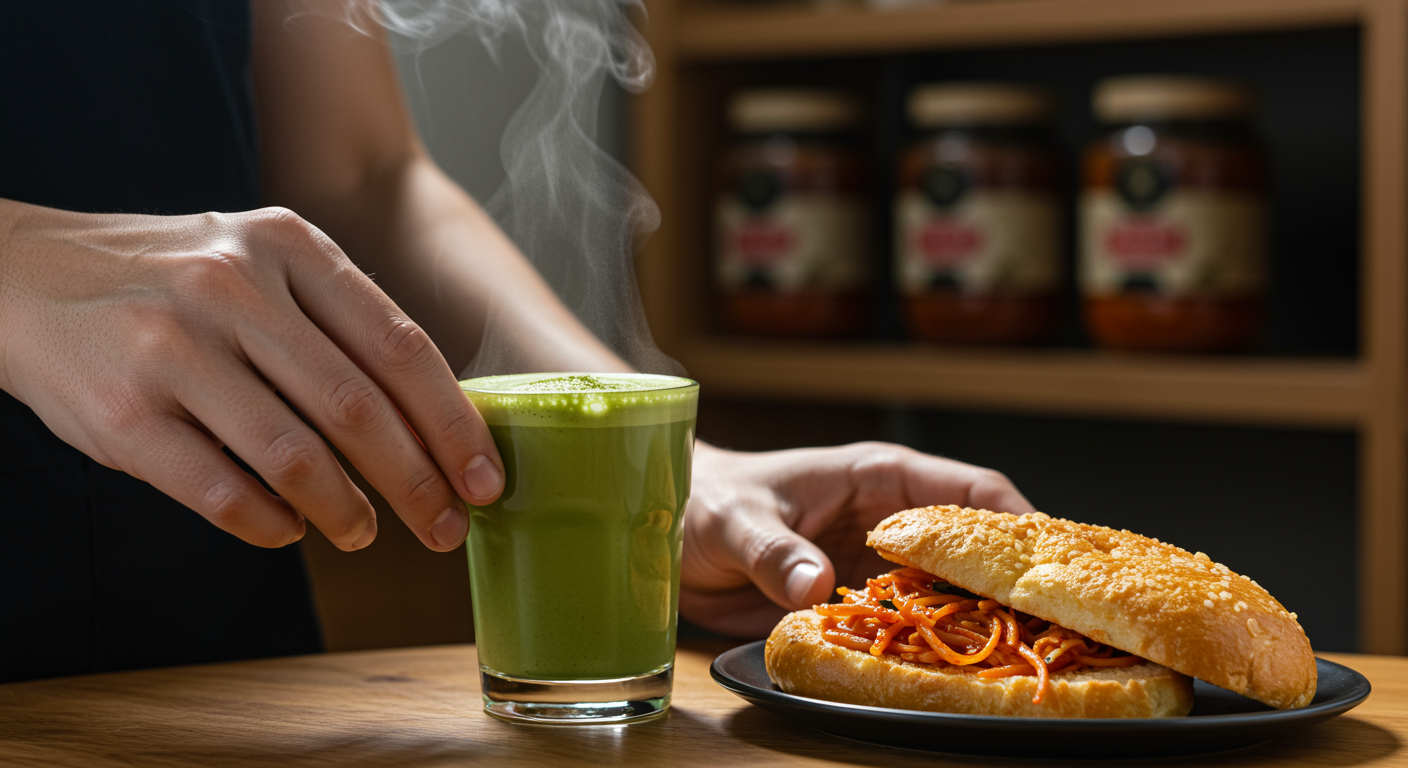
Australian Korean cafes are increasingly pivoting from traditional bibimbap to viral menu innovations like Korean salt bread and pistachio matcha lattes, boosting their competitiveness in the market. This shift seems driven by lower ingredient volatility and higher perceived value, as Korean salt bread has captured significant social media attention while pistachio matcha lattes have become a visual staple across platforms.
 27 Nov 2025

 Eats365
Contents
- Bibimbap's Profit Plateau? How Salt Bread & Pistachio Lattes Reshape AU Cafe Margins
- Startup Costs vs. Revenue Streams: The $100k Blueprint for Korean Cafe Profitability
- Your POS Isn't Tracking This: How Korean Cafes Pinpoint Profitable Menu Items Weekly
- Unlock Your Cafe's Full Potential with Eats365
- FAQs on Profitable Korean Cafes in Australia
Bibimbap's Profit Plateau? How Salt Bread & Pistachio Lattes Reshape AU Cafe Margins
Australian Korean cafes are increasingly pivoting from traditional bibimbap to viral menu innovations like Korean salt bread and pistachio matcha lattes, boosting their competitiveness in the market. This shift seems driven by lower ingredient volatility and higher perceived value, as Korean salt bread has captured significant social media attention while pistachio matcha lattes have become a visual staple across platforms.
Top-Performing Fusion Items
-
Bulgogi-topped salt bread: This fusion item merges the rich, savory flavors of Korean marinated beef with the popular trend of soft, slightly sweet salt bread. The combination creates a unique, satisfying experience that encourages customers to explore beyond traditional offerings, naturally elevating the average transaction value.
-
Gochujang-infused pastries: By introducing a subtle kick of Korean chili paste into classic pastries, cafes tap into the growing appetite for bold, globally inspired flavors. This innovation appeals to diners seeking exciting new tastes, supporting stronger profit margins through perceived uniqueness and premium appeal.
-
Matcha-pistachio parfaits: Layering these two trendy ingredients creates a visually stunning and nutritionally appealing dish that resonates with health-conscious and social media-savvy customers. The result is a high-margin item that drives repeat visits through its photogenic quality and balanced flavor profile.
Profitable Beverage Pairings
-
Korean salt bread with pistachio lattes: This pairing works because the subtle saltiness of the bread enhances the nutty sweetness of the latte, creating a harmonious flavor experience that feels indulgent yet approachable. Customers are drawn to this combination for its distinctiveness, allowing cafes to position it as a premium offering with healthy margins.
-
Crema lattes with viral food items: The creamy texture and mild flavor of crema lattes make them the perfect complement to bold, trending dishes. When shared on social media, these pairings generate organic buzz due to their aesthetic appeal and delicious synergy, effectively turning customers into brand ambassadors.
Trend Spotting and Menu Adaptation
-
Social listening for proactive adjustments: By monitoring platforms like TikTok, cafes can detect emerging ingredient trends and potential supply challenges early. This foresight allows for timely menu tweaks that keep popular items available, preventing customer disappointment and maintaining steady sales.
-
Anticipating demand shifts: Successful cafes use trend insights to refresh their menus just before seasonal peaks or viral moments. This forward-thinking approach ensures they're ready to capitalize on rising interest, fostering customer loyalty through consistent relevance.
Balancing Tradition and Innovation
-
Honoring roots with core classics: Offering a small selection of traditional dishes like bibimbap maintains cultural authenticity and satisfies customers who value genuine Korean cuisine, building a foundation of trust and reliability.
-
Elevating tradition with creative twists: Introducing innovative elements, such as premium toppings for classic rice bowls, allows cafes to modernize familiar favorites without losing their essence. These thoughtful upgrades attract new customers seeking novelty while enabling operators to command higher prices for enhanced experiences.
Mastering this shift from bibimbap to viral fusion items lets cafes turn short-lived trends into steady revenue streams, positioning Australian Korean cafes ahead of competitors in a fast-moving market.
Startup Costs vs. Revenue Streams: The $100k Blueprint for Korean Cafe Profitability
Let's break down the real investment needed for an Australian Korean cafe, and highlights hidden revenue channels that can shorten break-even time from roughly 18 to about 10 months. Many new venues fixate on dine-in sales, but top operators structure their $70,000–$120,000 startups to prioritise high-margin streams beyond the main menu. That difference matters, especially when markets are volatile.
A traditional food-only cafe often spends heavily on dine-in fit-outs. In contrast, a retail-focused or blended-income model allocates the same $70k–$120k more strategically. A lean setup might look like this:
-
Equipment: $15,000–$40,000
-
Fit-out: $20,000–$60,000 (kept lower by minimising dine-in space and major renovations)
-
Initial Inventory: $3,000–$7,000 (including both food ingredients and retail products)
This approach frees up capital that would otherwise be tied to fixed assets. For example, a ghost kitchen model within this budget would have minimal fit-out costs ($5k–$15k), while a small, thoughtfully designed cafe can stay within budget by choosing essential or used equipment and dedicating prime space to profitable retail shelves instead of extra tables.
So, what’s a sensible revenue mix to speed up ROI? A retail-focused Korean cafe tends to be more resilient than a food-only model. Dine-in and takeout remain central, but they don’t have to carry the whole business. A successful mix might look like this:
-
Core F&B (dine-in, takeout): 60–70%
-
Branded Retail (kimchi jars, sauces, meal kits): 10–15%
-
Partnerships (supplying other local businesses): 10–15%
-
Catering (office lunches, events): 5–10%
-
Workshops (kimchi-making classes): Up to 5%
Deliberately building these high-margin, low-overhead streams reduces reliance on daily foot traffic and creates a more stable financial base. In our view, getting 25% or more of revenue from non-dine-in sources can shorten the break-even timeline by an estimated three to six months. The fastest levers are often branded retail—which can start with minimal upfront cost—and a few local catering or supply partnerships that guarantee bulk orders.
You don’t have to leap in blindly. Test new streams with low-risk experiments before committing large sums. These trials give real data on demand and operational fit. A few examples to consider:
-
Pre-packaged Goods Launch: Invest $500–$1,500 to produce a small batch of house-made spreads, banchan, or marinated meats. Promote them in-store and online for 2–4 weeks to gauge interest.
-
Community Catering Promo: With a modest marketing spend of $200–$500, offer a special catering package to local offices or community groups and track uptake over a month.
-
Virtual Restaurant Concept: For $300–$700 in setup and marketing fees, launch a delivery-only sub-brand on platforms like Uber Eats or DoorDash focusing on a specific niche, like Korean fried chicken or tteokbokki combos.
Analyse sales velocity, customer feedback, and margins from these tests—data a modern POS system can track easily—and you’ll know where to double down. This test-and-scale approach helps you build a diversified, more profitable Korean cafe model that’s resilient by design.
Your POS Isn't Tracking This: How Korean Cafes Pinpoint Profitable Menu Items Weekly
Discover how leading AU Korean cafes use POS data to spot declining bibimbap margins and pivot to viral items before trends fade—turning raw sales into actionable profit insights. Many Australian restaurant POS systems are great at tallying daily sales, but they often miss the story behind the numbers. You might see strong bibimbap sales, yet its profit margin could have slipped because ingredient costs rose. That gap between gross sales and net profit is where savvy operators lose out, sometimes leaving 15-20% of revenue on the table. It’s busy work without being profitable, and modern data analysis fixes that.
The real blind spot in generic systems is tracking menu combinations. Your POS might show salt bread and pistachio lattes selling well individually, but it probably won’t flag them as a power couple that regularly lifts average transaction value. Top-performing cafes demand POS features that dig deeper. Imagine receiving automated reports showing which pairings boost average spend—some operators see a through smart combos. Delivering that requires systems capable of:
1. Customer Profile and Loyalty Program Through Third-Party App Integration
Integrating with third-party loyalty apps allows cafes to build detailed customer profiles, track repeat visits, and personalise offers. This not only boosts retention but also provides valuable data on customer preferences, which can inform menu innovation and targeted promotions.
2. Sales & Profit Analysis Down to Menu Item and Time Period
Advanced POS systems break down sales and profit metrics by individual menu items and time periods (hourly, daily, weekly). This granular view helps identify underperforming dishes, optimal pricing, and peak times for high-margin items, enabling data-driven adjustments that protect margins.
3. Multi-Store Management for Ambitious Owners
For cafe owners expanding to multiple locations, centralised multi-store management tools streamline operations. Features like unified inventory control, cross-location sales reporting, and consistent pricing strategies ensure scalability without sacrificing profitability or brand consistency.
With these tracking essentials, you move from gut calls to data-backed decisions. One Sydney cafe, for instance, raised beverage profits by 15% after its POS revealed a consistent 30% over-pour on matcha lattes during busy weekends. Without that granular data, the margin leak would have stayed hidden, quietly draining profits despite high sales.
In the fast-paced world of Korean cafes, where TikTok and Instagram can ignite demand overnight, this data becomes essential. Progressive operators correlate social media trends with in-store sales. For example, if a TikTok video makes “croffles” spike in searches, a smart POS can confirm whether that buzz turns into actual sales. Tracking this helps cafes validate hype and forecast inventory—sometimes up to 14 days ahead—so they’re stocked for the rush without wasting product. Many managers now use mobile dashboards for morning margin checks, reviewing the top three profitable items and pairings to quickly adjust specials and guide staff recommendations.
Unlock Your Cafe's Full Potential with Eats365
Optimising your menu and diversifying revenue streams are vital for success in Australia’s competitive F&B market. With Eats365's robust restaurant POS system, you can seamlessly track ingredient costs, identify profitable menu pairings, and integrate online ordering to capitalise on emerging trends. Don’t let valuable insights slip away—send an inquiry to Eats365 today to discover how our solutions can help your cafe thrive.

FAQs on Profitable Korean Cafes in Australia
Q: What are the most profitable Korean cafe concepts emerging in Australia right now?
The most profitable Korean cafes in Australia are moving beyond traditional dishes like bibimbap to focus on viral fusion items such as Korean salt bread and pistachio matcha lattes, which have increased profits by 20-30%. Items like bulgogi-topped salt bread and gochujang-infused pastries also drive higher average spends due to their innovative flavours and social media appeal.
Q: How do successful Korean cafes in Melbourne and Sydney differentiate their menu to maximize profit?
Successful Korean cafes in Melbourne and Sydney keep 1-2 traditional bibimbap varieties for authenticity but pivot quickly to trending fusion items like dolsot bibimbap with premium toppings, and viral foods like Korean salt bread and pistachio lattes. They adapt menus proactively, often 30 days ahead of peak demand, using social media trends and ingredient availability to protect margins.
Q: What unique fusion menu items are Australian Korean cafes using to attract more customers?
Australian Korean cafes attract customers with fusion items such as bulgogi-topped salt bread that mixes savory meat with sweet bread, gochujang-infused pastries adding a spicy twist to baked goods, and matcha-pistachio parfaits that combine trendy flavours commanding premium prices.
Q: What are the startup costs and potential revenue streams for a Korean-inspired cafe in Australia?
Startup costs typically range from $70,000 to $120,000 for a lean Korean cafe setup, covering equipment ($15,000–$40,000), fit-out ($20,000–$60,000), and initial inventory ($3,000–$7,000). Revenue streams to maximise profitability include core food and beverages (60–70%), branded retail products like kimchi jars (10–15%), partnerships supplying local businesses (10–15%), catering services (5–10%), and workshops (up to 5%). Diversifying income beyond dine-in shortens break-even time by months.
Q: How can I create a profitable Korean cafe menu that goes beyond traditional bibimbap?
Build a menu that pairs 1-2 bibimbap variants for tradition with innovative viral items such as Korean salt bread, bulgogi-topped snacks, gochujang pastries, and specialty drinks like pistachio matcha lattes. Use social media trend tracking to launch and adjust these items dynamically. Offering combo pairings that boost average transaction value by over 20% also improves profitability.
Q: What POS and management tools do successful Korean cafes in Australia recommend for tracking profitability?
Leading Korean cafes use POS systems with real-time ingredient-level cost tracking, alerts for viral trend spikes, and automated pairing reports. These systems help detect margin dips in items like bibimbap and identify profitable combos such as salt bread with pistachio latte. Mobile dashboards and detailed sales analysis allow daily margin checks and rapid menu changes, improving profit by 15-22%.
Q: What are the most profitable beverage and food pairings for a Korean-style cafe in the Australian market?
The most profitable pairings include Korean salt bread with pistachio lattes, achieving margins above 40%, outperforming traditional coffee combos. Crema lattes paired with viral foods generate high social media shares (63%), driving new customer traffic and brand visibility. These pairings increase average spend and strengthen the cafe's competitive edge.