Top Benefits of Implementing Food Kiosks in Aussie Restaurants
Could a food kiosk truly revolutionise your Aussie restaurant's efficiency, customer satisfaction, and bottom line? Discover how this tech tackles queues, errors, and boosts sales.
 19 May 2025

 Zeyno
Zeyno
Contents
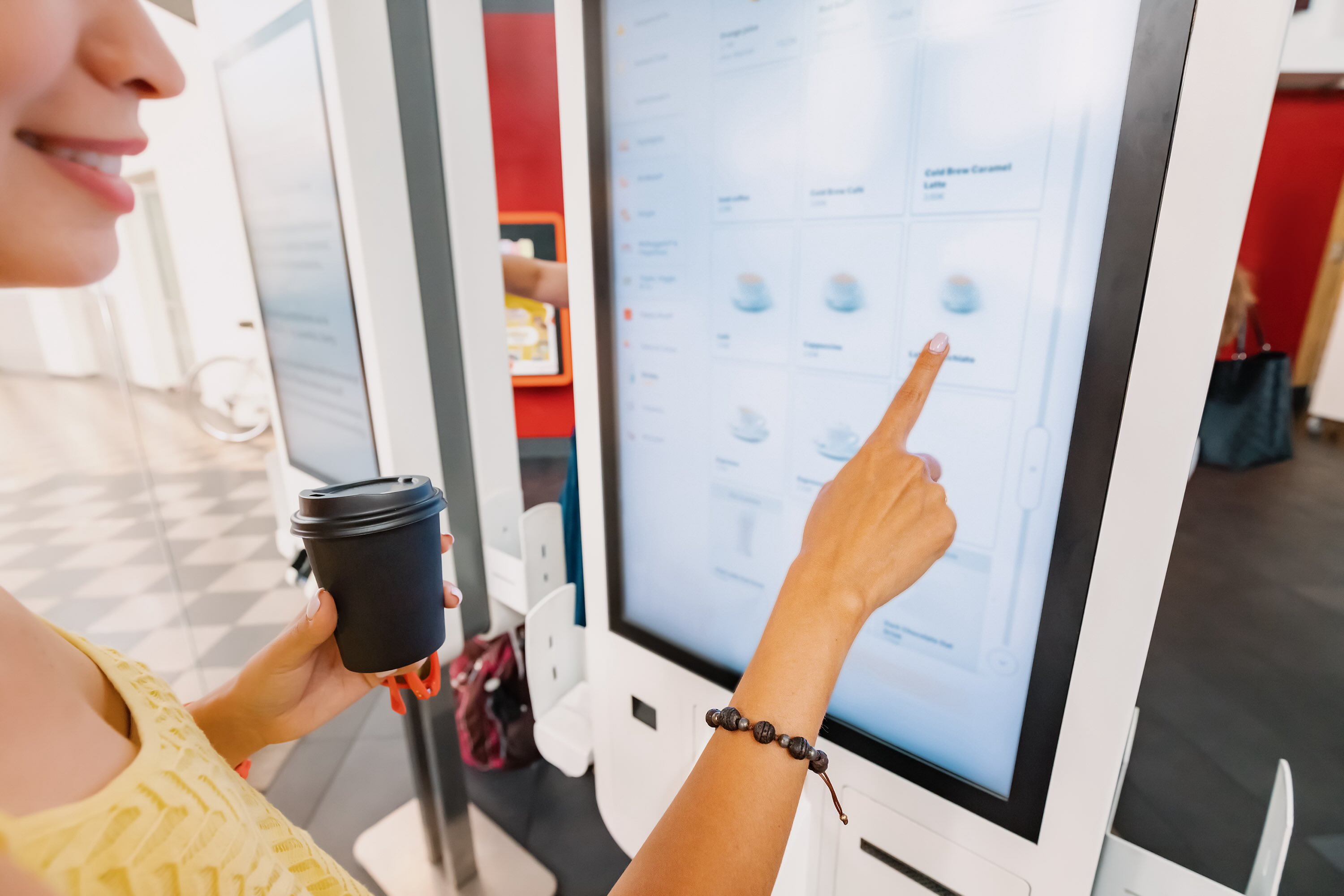
In today's fast-paced Australian dining scene, customer experience is paramount. One significant way restaurants can elevate this experience is through the implementation of a food kiosk. But how exactly does this technology achieve higher satisfaction levels?
Benefit 1: Enhance Customer Experience
Primarily, self-service kiosks address some of the most common pain points for diners: waiting times and order inaccuracies. Operators often report shorter lines and faster throughput at peak times after installing kiosks, though actual improvements depend on store layout and transaction volumes. This autonomy is increasingly valued by consumers who appreciate efficiency and reduced interpersonal interaction for quick transactions.
Furthermore, a key aspect of an enhanced customer experience is the ability to customize orders easily and accurately. Food kiosks excel in this area. Customers can browse the menu at their own pace, consider dietary preferences or allergen information clearly displayed, and add or remove ingredients without the pressure of a queue forming behind them or potential miscommunication with staff. This level of personalization ensures that patrons receive their meals exactly as desired, which is a powerful driver of satisfaction and loyalty.
The user-friendliness of a modern food kiosk interface also plays a role. Most systems are designed with intuitive navigation, high-quality visuals of menu items, and clear instructions, making them accessible even to less tech-savvy individuals. Interactive touch screens allow for quick selections and modifications, mirroring the ease of use found in smartphone apps. This ease of interaction ensures that the ordering process is not only efficient but also a pleasant and stress-free part of the dining experience, contributing significantly to overall customer contentment.
Read more: Explore the Top 6 Self-Ordering Systems for Small Businesses in Australia (eats365pos.com)
Benefit 2: More Cost-Savings
For Australian restaurant owners and operators, managing expenses is a critical component of sustainable success. Implementing self-service food kiosks presents a tangible opportunity for significant cost savings, particularly in the realm of labour. How profoundly can a food kiosk impact staffing costs? By automating the order-taking and payment processes, kiosks can reduce the need for dedicated front-of-house staff to perform these tasks. This doesn’t necessarily mean reducing headcount, but rather reallocating valuable human resources to other areas that enhance the customer experience, such as food preparation quality, customer service interactions beyond ordering, or maintaining dining room cleanliness.
Beyond direct labour costs, what other operational expenses can be trimmed by introducing food kiosks? Consider the reduction in costs associated with manual order processing: order pads, pens, and staff time spent correcting errors that stem from misheard or incorrectly transcribed orders. Vendor reports and limited case studies have suggested that self-service kiosks may help some restaurants lower certain operational costs, though results can vary widely depending on volume and integration.
Some operators report recovering the cost of kiosk hardware and software within 12–24 months through labour savings and increased throughput, but actual payback periods vary by location and transaction volume.
Benefit 3: Increase Order Accuracy
Mistakes in orders are a common frustration for both customers and restaurant staff, often leading to wasted food, increased costs, and diminished customer satisfaction. The primary mechanism of self-service kiosk is by placing the order entry directly into the hands of the customer. This direct input significantly minimises the chances of human error typically associated with verbal communication, such as mishearing an order in a noisy environment or staff members making transcription mistakes when keying orders into the POS system.
This reduction in human error has a cascading positive effect. When orders are consistently accurate, customers receive precisely what they anticipated, which is a cornerstone of a satisfactory dining experience. Fewer mistakes mean fewer instances of customers needing to return food, leading to reduced complaints and less time spent by staff on resolving issues. This, in turn, frees up employees to focus on other service aspects. Imagine a busy lunch rush in a Melbourne café; a food kiosk ensuring each coffee order is made with the right milk and sugar preference without error can dramatically improve customer flow and contentment.
The clarity offered by a visual menu on a self-ordering food kiosk also contributes to enhanced accuracy. Customers can see images of menu items, read detailed descriptions, and view allergen information, which helps them make informed choices, reducing misunderstandings about what a dish contains.
Benefit 4: More Cross-Selling
Beyond improving customer experience and reducing costs, food kiosks can be powerful tools for actively boosting a restaurant’s revenue. A key question for Aussie restaurateurs is: how can a machine effectively increase sales? The top answer is the consistent and strategic upselling and cross-selling prompts that can be programmed into the food kiosk interface. Unlike human staff who might forget to upsell, feel uncomfortable doing so, or vary in their approach, kiosks can tirelessly offer relevant add-ons, meal upgrades, or premium options to every customer.
This automated prompting often leads to an increase in the average order value (AOV). When presented with appealing visual suggestions and the ease of adding items with a simple tap, customers are often more inclined to indulge or try new things.
Benefit 5: Improve Operational Efficiency
Streamlined operations are the backbone of any successful restaurant, and food kiosks play a significant role in achieving this efficiency through the automation of the initial stages of customer interaction: order taking and payment. By shifting these tasks to a self-service kiosk, staff are freed from being tethered to a cash register, allowing them to focus on more complex customer service needs, food preparation, expediting orders, or maintaining the dining area’s cleanliness and appeal.
Crucially, modern food kiosks are designed to integrate seamlessly with other essential restaurant technologies, most notably the Point of Sale (POS) system and Kitchen Display Systems (KDS). What does this integration look like in practice? When a customer places an order via the food kiosk, the details are instantly and accurately transmitted to the KDS in the kitchen. This direct line of communication eliminates delays and potential errors from verbally relaying orders or manually inputting them. Chefs receive clear, legible digital tickets, allowing for quicker start times on food preparation and better kitchen synchronisation.
Furthermore, the data collected by a self-service kiosk system can provide valuable insights for optimising various aspects of the restaurant’s operations. Managers can access reports on popular menu items, peak ordering times, and effectiveness of promotional offers. This information empowers data-driven decision-making regarding inventory management, staff scheduling, and menu engineering.
Read more: Must-have Features of Kitchen Management Software for Australian Restaurants (eats365pos.com)
Elevate Your Aussie Dining Experience with Eats365
This analysis demonstrates the numerous benefits food kiosks can bring to Aussie restaurants. From streamlining operations and boosting revenue to enhancing customer satisfaction and minimizing order inaccuracies, the advantages are clear. Ready to revolutionize your restaurant's performance? Contact Eats365 today for expert consultation and discover how our POS solutions, including self-service kiosks, can transform your business.