Mastering Food Delivery: A Strategic Guide for Australian Restaurants
Gettin your Aussie restaurant thriving by chucking your menu on Uber Eats is job done? Think again, mate! To really rake in the orders, you need a smart food delivery platform strategy, , and we’re here to show you why!
 21 Apr 2025

 Zeyno
Zeyno
Contents
A food delivery platform strategy refers to a deliberate and comprehensive plan outlining how your restaurant will utilise third-party delivery applications (like Uber Eats, DoorDash, Menulog) to achieve specific business goals, such as increasing sales, reaching new customers, or improving profitability from delivery operations. It moves beyond simply signing up and listing your menu; it involves a proactive approach to managing your presence, operations, and marketing across these digital channels.
Merely listing your restaurant on a food delivery platform without a plan is insufficient in today's competitive market. A strategic approach is vital because it allows you to control costs associated with high commission fees, ensure brand consistency, optimise your menu for delivery success, streamline operations to handle order volume efficiently, and make informed decisions about which platforms best suit your target audience and financial objectives. Without a strategy, restaurants risk eroding profit margins due to unchecked commission fees (which can range from 15% to over 30%), delivering a poor customer experience through operational inefficiencies (e.g., incorrect orders, long delivery times), and missing opportunities to leverage platform tools for growth.
Core Components of a Successful Strategy
A robust food delivery platform strategy is built on several key components working in harmony:
-
Platform Selection: Carefully choosing which platform(s) to partner with based on reach, fees, target demographics, and available features in your specific location.
-
Menu Optimisation: Designing a menu tailored for delivery, considering food travel time, packaging requirements, and visual appeal on the app. This includes high-quality photography and compelling descriptions.
-
Pricing Strategy: Determining how to price menu items for delivery to account for commission fees and packaging costs, while remaining competitive.
-
Operational Integration: Establishing efficient workflows for receiving, preparing, packing, and handing off delivery orders to minimise errors and delays. This might involve integrating the food delivery platform directly with your restaurant pos systems australia.
-
Marketing & Promotions: Actively using the marketing tools offered by platforms (e.g., sponsored listings, special offers) to increase visibility and drive orders.
-
Performance Analysis: Regularly reviewing sales data, customer feedback, and operational metrics from each platform to refine your strategy and make data-driven decisions.
Read more: The 2025 Guide to Restaurant Online Marketing (eats365pos.com)
The Pitfalls of a Disorganised Approach
Neglecting a comprehensive strategy can lead to significant pitfalls. Restaurants might find themselves overwhelmed by orders during peak times without the staff or processes to cope, leading to negative reviews. Industry surveys suggest that restaurants without a delivery pricing strategy may see profit margins shrink by a significant percentage when platform commissions aren’t covered. Furthermore, inconsistent branding or poor menu presentation across platforms can damage your restaurant's reputation. A well-thought-out strategy helps mitigate these risks and turns the food delivery platform channel into a sustainable and profitable part of your business.
Read more: What is Self-Service Kiosk? How It Benefits Restaurants & Takeaways? (eats365pos.com)
1. Menu Optimisation - Your Digital Shopfront
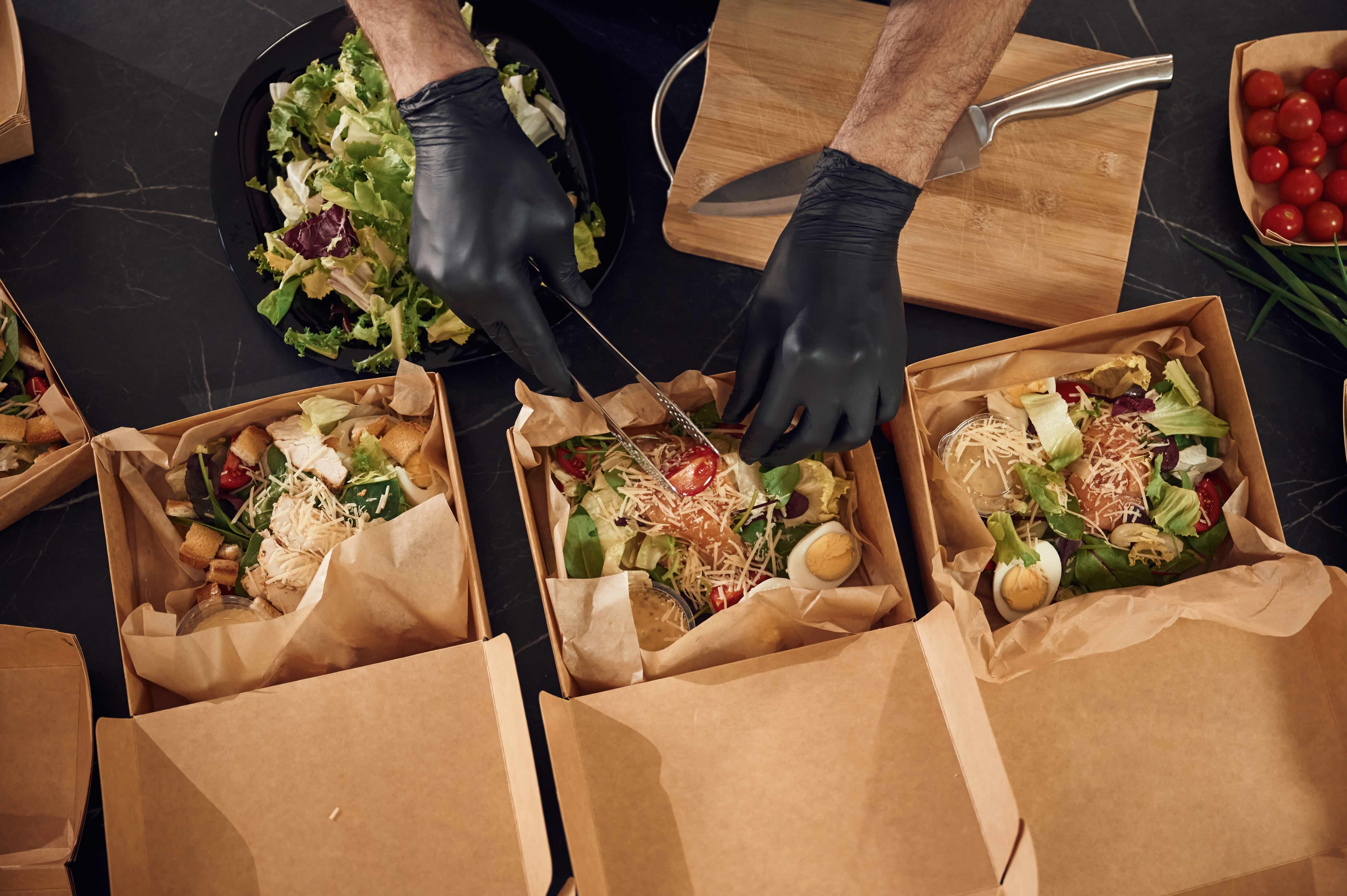
Optimising your menu is crucial for standing out on a crowded food delivery platform interface. It's your digital shopfront, and how you present your offerings directly impacts customer choice and order volume. Effective menu optimisation involves several key elements designed to capture attention and encourage orders.
Tips on Menu Optimisation | High‑Quality Photos
Invest in professional, well-lit, and appetising photographs for every menu item, or at least your key sellers. Visuals are often the first thing a customer notices; platform providers often report that high-quality menu photos can boost customer engagement, though results vary by market and dish. Ensure photos accurately represent the dish customers will receive.
Read more: Restaurant menu photography guidelines | Uber Eats
Tips on Menu Optimisation | Detailed & Enticing Descriptions
Go beyond just listing ingredients. Use descriptive language that highlights the flavours, textures, quality of ingredients, and unique selling points (e.g., "house‑made," "locally sourced," "family recipe"). Include relevant keywords potential customers might search for (e.g., "vegan," "gluten‑free," "spicy"). Clearly list major allergens.
Tips on Menu Optimisation | Accurate Categorization
Organise your menu logically with clear categories (e.g., Appetisers, Mains, Burgers, Sides, Drinks, Desserts). This makes it easy for customers to navigate and find what they're looking for, improving the user experience. Ensure items are placed in the most relevant categories provided by the food delivery platform.
Tips on Menu Optimisation | Strategic Pricing
Delivery platform commission rates commonly fall between 15% and 35%, and restaurants should also account for the added expense of packaging. Analyse your food costs, operational expenses, and platform fees to set sustainable delivery prices. Consider offering bundles, combos, or slightly different portion sizes specifically designed for delivery to add value and justify price differences. Transparency about pricing can be beneficial, but be sure to check the platform’s rules.
Read more: Restaurant Menu Pricing: How to Price for Profit | DoorDash for Merchants
2. Choosing the Right Food Delivery Platforms
Choosing the right food delivery platform, or combination of platforms, is a critical decision for Australian restaurants aiming to maximise order volume and profitability. The major players dominate the market, each with distinct characteristics regarding fees, reach, customer base, and technology.
In Australia, the primary choices generally include:
-
Uber Eats: A Roy Morgan report indicates that Uber Eats leads in market share among food delivery services in several major Australian cities, offering significant reach. They provide extensive marketing tools and analytics for merchants.
-
DoorDash: A major global player that has significantly expanded its presence in Australia. DoorDash offers multiple partnership plans with different commission tiers. Their reach is growing rapidly, particularly in suburban areas.
-
Menulog (part of Just Eat Takeaway.com): An established platform in Australia with a long history and strong brand recognition, particularly outside of major CBDs. Menulog offers both marketplace services and delivery services, which impact commission structures. They often appeal to a broad demographic.
When selecting a platform, consider:
-
Fees vs. Reach: Higher fees might be justified by a larger customer base. Lower fees might come with less coverage.
-
Target Audience Alignment: Consider the typical user of each platform.
-
Cost‑Benefit Analysis: Calculate the actual cost per order and compare it to your profit margin.
Ultimately, the best platform varies. A cafe might thrive on Uber Eats' volume, while a pizzeria might find Menulog more valuable. Many restaurants find success using multiple platforms.
Read more: How Online Food Marketplaces Can Increase Online Visibility for Your Restaurant (eats365pos.com)
3. Leveraging Platform Marketing Tools
Simply being listed isn't enough; actively utilising the marketing tools these platforms offer is vital.
Popular tools include:
-
Sponsored Listings / Paid Placement: Pay for higher visibility in search results.
-
Promotions & Offers: Discounts, free delivery, and BOGO deals incentivise orders.
-
Loyalty Programs: Enhance repeat business.
-
Targeted Campaigns: Reach specific customer segments.
To maximise ROI on food delivery platforms in Australia, restaurants must adopt a strategic approach tailored to their target audience and operational goals. Set Clear Objectives by defining specific, measurable goals, such as increasing order volume by 20% or boosting customer retention through loyalty programs. Budget Wisely by allocating funds to high-impact campaigns, like targeted ads during peak dining hours, while avoiding overspending on broad, untargeted promotions. Track Performance using platform analytics to monitor key metrics like conversion rates, average order value, and customer acquisition costs, ensuring data-driven decisions. Test and Refine by experimenting with different strategies and iterating based on results, such as A/B testing promotional banners or delivery time slots to identify what resonates with customers.
For example, a pizza restaurant could use a "BOGO Tuesday" promotion to drive midweek sales, while a cafe might offer "Free Delivery" during the morning rush to attract busy commuters. Additionally, a fine-dining restaurant could introduce a "Meal Kit for Two" deal to appeal to couples seeking premium at-home dining experiences, while a local bakery might promote "Weekend Family Bundles" to increase basket sizes. Leveraging seasonal trends, such as offering discounts during major sporting events like the AFL Grand Final or partnering with platforms for exclusive deals during holidays, can further enhance visibility and engagement. By aligning promotions with customer preferences and local market dynamics, businesses can optimise their presence on delivery platforms and achieve sustainable growth.
A strategic approach to food delivery platforms is crucial for Australian restaurants aiming for growth. Ready to enhance your delivery success? Enquire with Eats365 today.