What Does EFTPOS Stand For in New Zealand
Ever found yourself in a Kiwi café wondering 'what does EFTPOS stand for?' You're not alone! This guide decodes the EFTPOS meaning for New Zealand restaurants, simplifying this everyday acronym.
 22 May 2025

 Anna
Anna
Contents
Of all the acronyms floating around in restaurant and hospitality circles, EFTPOS can leave even experienced managers scratching their heads. If you’ve ever wondered “what does EFTPOS stand for?”, you’re not alone. In this guide, we’ll unpack the full form of EFTPOS in plain English, explore its history in Aotearoa, outline how today’s EFTPOS networks work, and show you how integrated systems help your team deliver a smooth dining experience. Whether you’re running a busy café in Wellington or a fine-dining restaurant in Queenstown, understanding EFTPOS meaning for restaurants is key to choosing the right payment tools.
What Does EFTPOS Stand For?
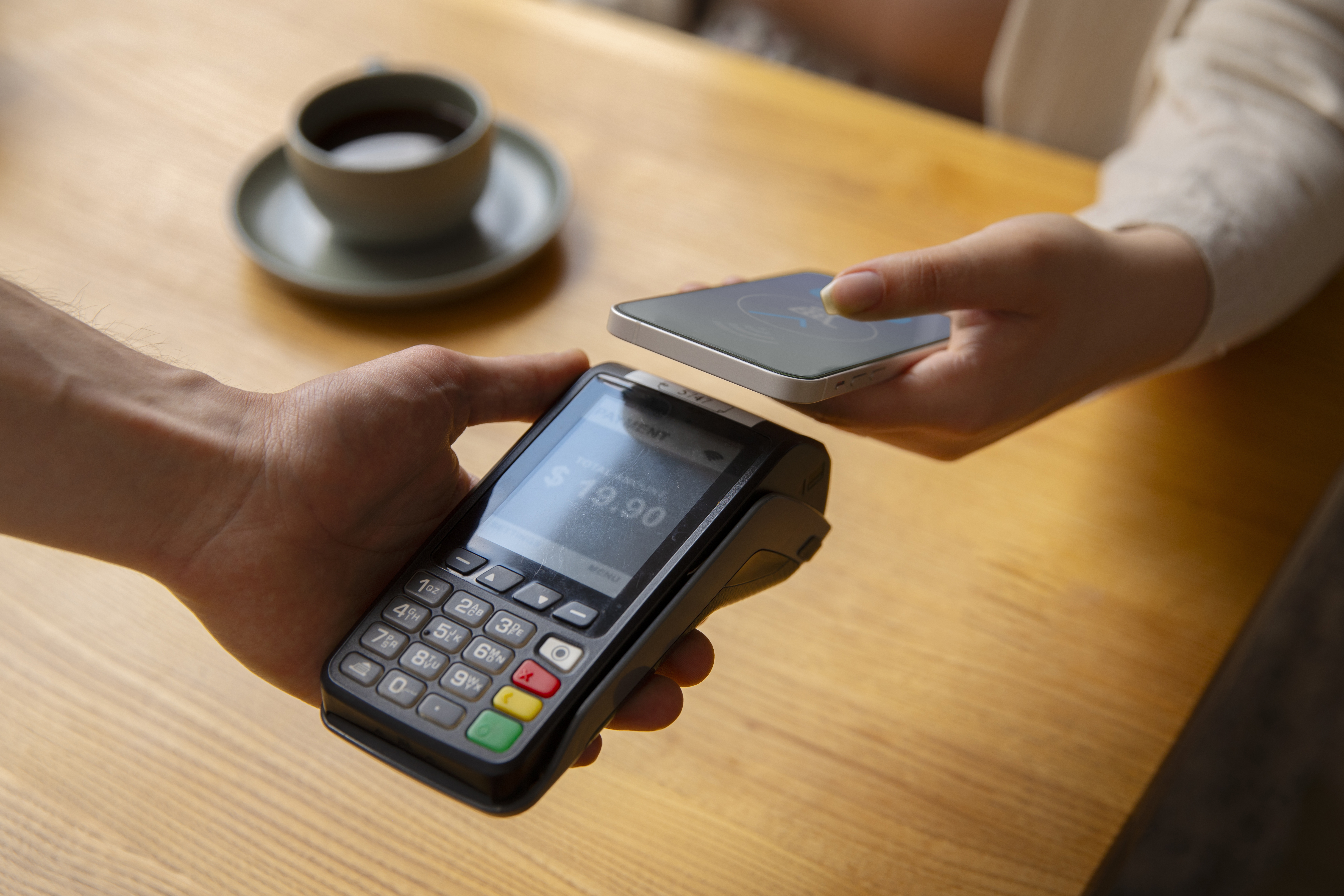
EFTPOS stands for Electronic Funds Transfer at Point Of Sale. In simple terms, it describes the process of moving money from a customer’s bank account to your business account when they tap, swipe, or insert their card. The “Point of Sale” part refers to any physical location—your till, bar, or mobile tablet—where you complete a sale.
New Zealand’s EFTPOS story began in the 1980s, but it wasn’t until the mid-1990s that terminals and networks like Paymark became widely available. Early devices offered a digital alternative to cash and cheques, and by the 2000s most retailers and hospitality venues had adopted EFTPOS. Over time, the historical definition of EFTPOS in New Zealand evolved from a novelty to an everyday expectation—speed, security, and simplified reconciliation became the new norm.
Breaking Down the Full Form of EFTPOS NZ
-
Electronic Funds Transfer: secure, real-time movement of money between accounts
-
Point Of Sale: the physical spot or device where you accept payment – countertop, portable terminal, or tablet
How an EFTPOS Transaction Works
A typical EFTPOS transaction follows these steps:
-
The customer taps, swipes or inserts their card (or uses a mobile wallet).
-
The terminal encrypts and sends card details to the issuing bank via a network (e.g. Paymark).
-
The bank confirms account validity and funds availability, then authorises the transfer.
-
Funds move from the customer’s account into a merchant account, usually within 1–2 business days.
-
You reconcile sales and banking data in your POS back-office reports.
Key players in NZ EFTPOS include the network operator (Paymark), bank issuers (ANZ, ASB, BNZ, etc.) and merchant acquirers. While EFTPOS is strictly a physical checkout system, you can also process over-the-phone or mobile-app orders through virtual terminals or portable readers.
Read more:The Rise of Cashless Payments: What It Means for Your Restaurant
Why EFTPOS Is Free for Kiwi Customers
Many restaurant owners ask, “If EFTPOS means Electronic Funds Transfer, why is it free for Kiwi customers to use?” In most cases, shoppers pay nothing at the terminal. Instead, merchants cover:
-
A per-transaction fee (often a blend of a small percentage plus cents).
-
Any monthly or subscription charges from your EFTPOS/POS provider.
-
Interchange fees set by the banks (usually built into a single blended rate).
Some terminals offer cash-out features (customers draw small amounts of change from your till), which may incur a fee or require minimum-spend rules. Always compare merchant pricing plans to keep costs predictable.
Benefits of EFTPOS for Restaurants
Benefits of EFTPOS|Lower fees
EFTPOS interchange rates are typically cheaper than credit cards. For restaurant and café owners, where profit margins can be tight, these lower transaction costs can significantly add up over hundreds or thousands of transactions daily. Embracing EFTPOS more actively translates directly into healthier bottom lines, allowing you to reinvest in your business or simply enjoy greater profitability.
Benefits of EFTPOS|Faster checkouts
With no signatures and fewer authorisations required, EFTPOS transactions speed up service considerably. During peak lunch rushes or busy dinner services, every second counts. Faster checkouts mean shorter queues, improved customer flow, and increased table turnover, directly enhancing efficiency and your capacity to serve more diners without compromising service quality. This streamlined process also reduces the chances of human error and frees up staff to focus on customer engagement rather than payment processing.
Benefits of EFTPOS|Widespread adoption
Most Kiwis carry debit cards and expect to "tap and go." Debit card usage is deeply ingrained in New Zealand's payment culture, making EFTPOS an indispensable part of your payment ecosystem. Offering EFTPOS ensures you cater to the preferred payment method of a vast majority of your local clientele, providing seamless convenience and avoiding any potential frustration that could lead to lost sales.
Benefits of EFTPOS|Enhanced Security & Simplicity
Beyond cost and speed, EFTPOS systems offer robust security features, reducing the risk of fraud compared to handling large amounts of cash. Furthermore, integrating EFTPOS into your point-of-sale system often simplifies daily reconciliation and reduces the need for extensive cash management, saving valuable time for both you and your team.
Promote EFTPOS when you want to reduce your card bill or cater primarily to the prevalent debit-card users. A balanced payment mix—encompassing EFTPOS, Visa/Mastercard, and popular digital wallets—is key. This strategy ensures you keep all your customers happy and spending, providing them with the flexibility they expect while optimising your operational costs.
EFTPOS Only Policies
You’ll often spot “EFTPOS Only” signs at small cafés, food trucks and pop-up bars. This means:
-
Cash isn’t accepted—every sale must go through an EFTPOS terminal.
-
No change handling, reducing theft risk and reconciliation effort.
-
Minimum spend rules (e.g. $5) should be displayed clearly to avoid confusion.
EFTPOS—Electronic Funds Transfer at Point Of Sale—has become the backbone of everyday payments in New Zealand. From its 1990s beginnings to today’s contactless networks, EFTPOS offers restaurants lower fees, quick transactions, and high customer satisfaction. As you evaluate providers and gear up your venue:
-
Look for seamless POS integration and reliable local support.
-
Seek transparent, blended fee structures that fit your turnover.
-
Choose hardware (countertop and mobile) to match your front-of-house workflow.
By understanding what EFTPOS stands for and how it works in Aotearoa, you’ll make informed decisions that drive efficiency, cut costs, and keep your guests tapping with confidence.
Read more:How to Start a Food Business in New Zealand: A Step-by-Step Guide
Choosing the right EFTPOS solution is crucial for smooth transactions and a positive customer experience. With Eats365's integrated POS system, you can seamlessly manage EFTPOS payments alongside a range of other features like online ordering systems, customer loyalty programs, and detailed reporting. Contact Eats365 today to learn how our cloud-based POS and expert support can help you streamline your restaurant operations, reduce costs, and cater to the payment preferences of your Kiwi customers.