5 Steps to Launching a Successful Ghost Kitchen in NZ
Dreaming of serving delicious food without the headache of a traditional dine-in restaurant? Starting a restaurant delivery service business, especially with the ghost kitchen model, offers a compelling solution to reach more customers and boost profits.
 15 Jul 2025

 Eats365
Contents
Step 1 | Grasping the Ghost Kitchen Concept
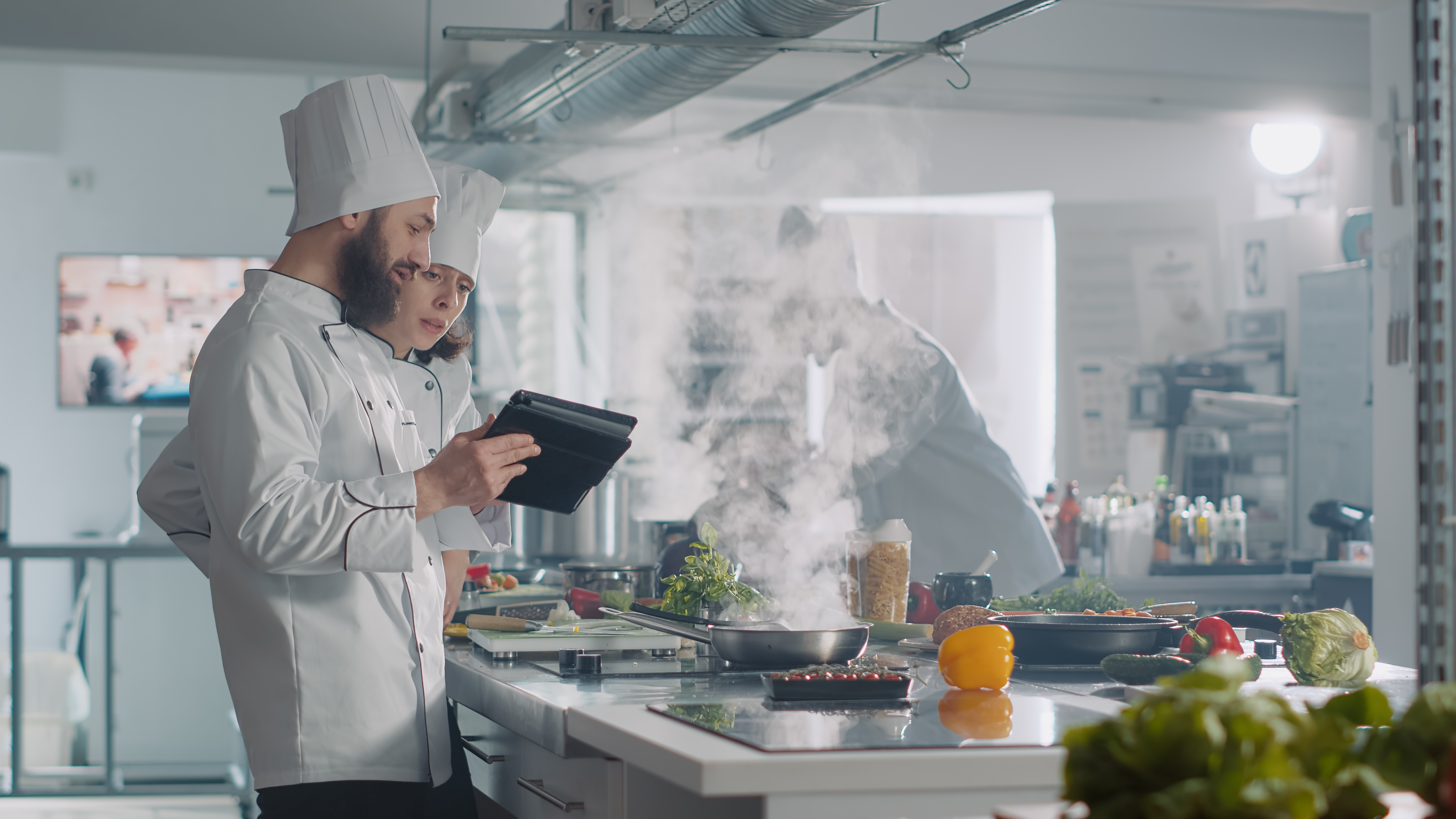
Imagine a kitchen bustling with activity, chefs expertly crafting delicious meals – but no dining tables in sight. That's the essence of a ghost kitchen, also known as a dark kitchen or virtual kitchen. It's a professional food preparation space designed purely for fulfilling delivery orders. Without the need for a dine-in area, ghost kitchens significantly reduce overhead costs, offering businesses greater flexibility in menu design and location choices. This model has made a real impact in New Zealand, allowing food businesses to connect with wider customer bases, optimizing efficiency, and changing up the food service scene. Perhaps it’s time to consider: is this right for *my* restaurant?
Step 2 | Navigating NZ Food Safety Rules
Venturing into the world of ghost kitchens in New Zealand means understanding and adhering to the food safety regulations laid out in the Food Act 2014. Every food business, including ghost kitchens must register with its local council and have a solid food safety plan in place. Depending on the level of risk, this may be a detailed Food Control Plan (FCP) or a simpler National Programme (NP). Regular checks by officials ensure everyone maintains standards and keeps food safety a top priority. We might suggest starting with resources available through the Ministry for Primary Industries (MPI)—very useful for understanding these regulations.
Step 3 | Crafting Your Business Blueprint
A comprehensive business plan is your compass in the ghost kitchen landscape. Start with thorough market research. What are people craving in your area? Who are your competitors? Who is your ideal customer? Use this information to create a menu that satisfies local tastes while keeping an eye on profit margins. Then, think about pricing: stay competitive, cover costs, and *still* make a healthy return. Selecting the optimal location is no less vital. Accessible to delivery drivers and at the heart of your delivery zone, your location minimizes those delivery times – and costs. In terms of financials, map out your initial investments, ongoing expenses, expected income, and outline how you plan to achieve profitability. Factor in all those day-to-day essentials, like sourcing top-notch ingredients, paying staff, covering packaging, and marketing.
Step 4 | Mastering Logistics and Tech
Seamless Order Management
Smooth operations are key. Think efficient order handling, from online ordering to kitchen prep to final delivery. Optimise workflows to handle those busy periods, and seamlessly integrate with delivery platforms and driver networks to streamline delivery coordination. It seems likely that a tech-savvy approach will be the winning formula here.
Tech-Powered Efficiency
Modern technology could give your ghost kitchen the edge it needs. Think integrated online ordering systems – websites and apps where customers can easily browse your menu, place orders and customize their requests. Inside the kitchen, replace those paper tickets with a Kiosk Display System (KDS), which improves order accuracy and speed. And of course, those partnerships with delivery platforms like Uber Eats and DoorDash greatly expand your reach and simplify delivery management.
Quality Food, Speedy Delivery
Food quality in transit is non-negotiable. Top-notch packaging that keeps food at the right temperature and prevents spills is a must. Regularly monitor delivery times—customers appreciate prompt and efficient service. Consistently meeting (and exceeding) expectations builds customer trust. In our point of view, this might be the key to unlocking a loyal customer base.
Read more: Top Online Platforms for Restaurant Deliveries in New Zealand (eats365pos.com)
Step 5 | Marketing Your Ghost Kitchen
Digital Marketing Prowess
Social media is an essential tool. Showcase your delicious offerings, engage with potential customers, and run targeted ad campaigns. Expand your reach with broader online advertising through platforms like Google Ads. Don’t ignore those delivery apps either - they’re brilliant for promotions and special offers. This could mean offering a discount code or highlighting a popular promotion.
Building Your Online Brand
A compelling brand identity, including a memorable logo and distinct messaging, sets you apart. A user-friendly website where customers can explore the menu, learn your story, and easily get in touch is essential. Reviews and customer stories build credibility. After all, reviews boost potential customers' confidence–don’t underestimate their influence.
Customer Feedback and Loyalty Programs
Actively seek customer feedback through post-order surveys or online reviews. Use this valuable input to constantly enhance your offerings. Loyalty programs are a win-win. By rewarding regular customers, you are building lasting relationships – the cornerstone of sustainable growth. It might encourage repeat business over time.
Read more: What is CRM? Why is CRM Important to Restaurant & F&B Businesses? (eats365pos.com)
Streamline Your Ghost Kitchen Operations with Eats365
For NZ ghost kitchen entrepreneurs, navigating operational complexities is vital. Eats365's integrated restaurant POS system solutions, from QR code ordering to kitchen display systems, are designed to boost efficiency and customer satisfaction. Send an inquiry today to discover how Eats365 can help your ghost kitchen thrive.
FAQs
What is a ghost kitchen and why is it good for a restaurant delivery service business?
A ghost kitchen (or dark kitchen) is a professional kitchen purely for preparing food for delivery, without a dine-in area. It’s excellent for a delivery service business because it significantly lowers overhead costs, offers menu flexibility, and allows for strategic location choices, helping you reach more customers efficiently.
What food safety rules apply to starting a restaurant delivery service business in NZ?
In New Zealand, any food business, including a ghost kitchen, must comply with the Food Act 2014. You'll need to register with your local council and implement a robust food safety plan, which might be a Food Control Plan (FCP) or a National Programme (NP), depending on your business's risk level. The MPI website is a great resource for this.
How important is a business plan for starting a restaurant delivery service?
A thorough business plan is crucial. It guides you through market research, identifies your ideal customers, helps craft a competitive menu and pricing strategy, and maps out your financial projections. It also covers operational essentials like ingredient sourcing, staffing, packaging, and marketing, ensuring a clear path to profitability for your delivery service.
What technology is essential for a successful restaurant delivery service business?
Modern technology is vital. Integrated online ordering systems (websites, apps) provide a seamless customer experience. A Kitchen Display System (KDS) improves order accuracy and speed in the kitchen. Crucially, partnering with major delivery platforms like Uber Eats or DoorDash expands your reach and streamlines delivery logistics, making your service more efficient.
How can I market my new restaurant delivery service business effectively?
Leverage digital marketing! Use social media, target ads, and utilise delivery app promotions to showcase your menu. Build a strong online brand with a memorable logo and a user-friendly website. Actively seek customer feedback and implement loyalty programs to encourage repeat business and build a dedicated customer base for your delivery service.